
+91 9008 41 9008
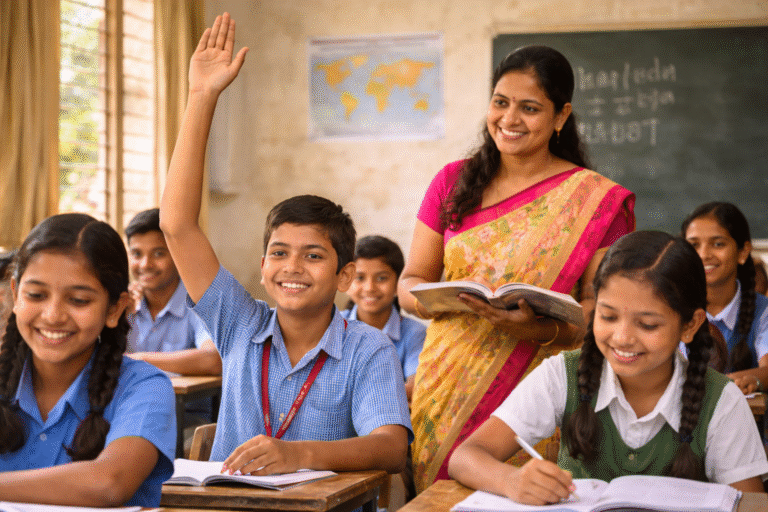
Education is not just about reading books or passing exams—it’s the spark that awakens human potential. It shapes how people think, how they act, and how they contribute to the world around them. Education builds confidence, opens doors, and brings individuals from the shadows of ignorance into the light of awareness.
For centuries, education has stood as the most powerful tool for transformation. It uplifts individuals, strengthens families, and empowers communities to move beyond social, economic, and cultural barriers. In today’s world—where progress depends on knowledge and understanding—education continues to be the foundation of true social upliftment.
Every great change begins with a mind that dares to think differently. Education provides people with that power—the ability to make choices, question limitations, and dream of better possibilities. It transforms dependency into self-reliance and helplessness into confidence.
An educated person can face life with clarity. They can understand rights, recognize opportunities, and make informed decisions. For women, especially those in underprivileged communities, education becomes a weapon of liberation. It allows them to step beyond societal boundaries and build their own identity.
When one individual receives the gift of education, they don’t rise alone—they inspire others around them to dream bigger, work harder, and believe in change. This ripple of empowerment slowly spreads across families and communities, leading to collective progress.
Education is not only about personal growth; it’s also the most effective way to reduce poverty and drive economic stability. A person equipped with skills and knowledge can create better income opportunities, sustain a living, and contribute meaningfully to the economy.
Key ways education drives economic upliftment include:
Improving job opportunities: Educated individuals are more employable and can access better positions with higher wages.
Encouraging entrepreneurship: Knowledge inspires creativity and problem-solving, allowing people to start small businesses or innovations.
Reducing dependency: Families supported by educated members depend less on external aid and contribute more to the economy.
Over time, education builds communities that are financially independent and capable of sustained growth. It converts human potential into productive energy, driving entire nations toward prosperity.
Social barriers, be it caste, gender, or class, often limit people from achieving their true potential. Education is the one force that can break these barriers. It gives everyone, irrespective of background, an equal chance to succeed.
When people learn together, they begin to understand and respect one another. Schools and institutions become spaces where equality takes root. Education cultivates empathy, tolerance, and cooperation qualities essential for building a harmonious society.
An educated population refuses to be divided by prejudice. It questions injustice, rejects discrimination, and stands for fairness. That’s why education is not just about literacy; it’s about nurturing values that hold a society together.
Education not only sharpens the mind but also awakens social consciousness. It makes people aware of their rights, duties, and responsibilities as citizens. Awareness is the foundation of change because people can only improve what they understand.
Through education, individuals learn the importance of:
Health and hygiene – leading to stronger and healthier communities.
Environmental care – protecting nature for future generations.
Civic participation – voting, volunteering, and contributing to nation-building.
Equality and justice – ensuring fair treatment for every section of society.
This awareness transforms individuals into responsible members of their communities. They become the voices that speak for fairness, sustainability, and progress.
The true strength of education lies in its ability to influence generations. When parents are educated, they understand the value of learning and ensure that their children go to school. This creates a cycle of growth that continues to strengthen over time.
Educated families lead to:
Better childhood development: Children learn communication, discipline, and curiosity from educated parents.
Equal opportunities: Education reduces gender bias and promotes inclusion from an early age.
Healthier lifestyles: Awareness leads to better nutrition, hygiene, and healthcare.
Stronger moral foundations: Values such as respect, empathy, and honesty are passed on naturally.
Each generation that receives education becomes better equipped to face challenges, dream bigger, and contribute meaningfully to society. Over time, this continuous chain of learning shapes a stronger, more progressive nation.
Even today, many children across rural and underprivileged areas are deprived of quality education due to poverty, lack of infrastructure, or social restrictions. While government programs play a vital role, it is equally important for social organizations and foundations to step forward and fill the gaps.
The Flybird Foundation believes that education is not a privilege—it is a right that every child deserves. The foundation actively works to make this right accessible through various initiatives, such as:
Scholarship programs for students from low-income families
School infrastructure development in rural communities
Women’s education campaigns to promote literacy and empowerment
Awareness drives highlighting the importance of sending children to school
By ensuring that quality education reaches every corner of society, Flybird Foundation helps create a generation capable of transforming their communities from within. These small but consistent steps contribute to a larger vision—a future where every child, regardless of background, has the power to learn and lead.
A country’s greatest asset is not its wealth or resources—it’s the wisdom of its people. When citizens are educated, they contribute to innovation, governance, and social development with greater purpose. Education creates thinkers, problem-solvers, and leaders who strengthen the nation’s identity.
An educated nation:
Produces skilled professionals and innovators
Promotes equality and justice
Protects democratic values and human rights
Adapts quickly to technological and global changes
Every teacher, every classroom, and every learning opportunity plays a role in shaping the nation’s destiny. Education ensures that progress is not limited to cities or privileged groups—it reaches villages, small towns, and every household striving for a better life.
Education is not just an individual journey—it is a collective one. When communities prioritize learning, they unlock the potential to grow together. Villages become more self-sufficient, cities more innovative, and societies more peaceful.
It encourages understanding among different social groups and strengthens the foundation of democracy. Educated citizens demand accountability, seek fairness, and work together for public good. Over time, this shared progress builds a nation that values knowledge as its greatest treasure.
Education is the bridge between what we are and what we can become. It transforms lives, nurtures dignity, and empowers people to stand on their own feet. It doesn’t just open classrooms—it opens minds and hearts.
Through its ongoing initiatives, the Flybird Foundation continues to spread the light of education to those who need it most. Every child who learns to read, every woman who gains confidence through literacy, and every youth who discovers purpose through knowledge becomes a symbol of hope and transformation.
Education is more than a tool; it is the heartbeat of progress, the foundation of equality, and the strongest force for social upliftment. When education reaches every home, social change is not a dream; it becomes a reality.

Together, we spread hope, inspire change, and shape brighter futures.
Flybird Foundation © All Rights Reserved.