
+91 9008 41 9008
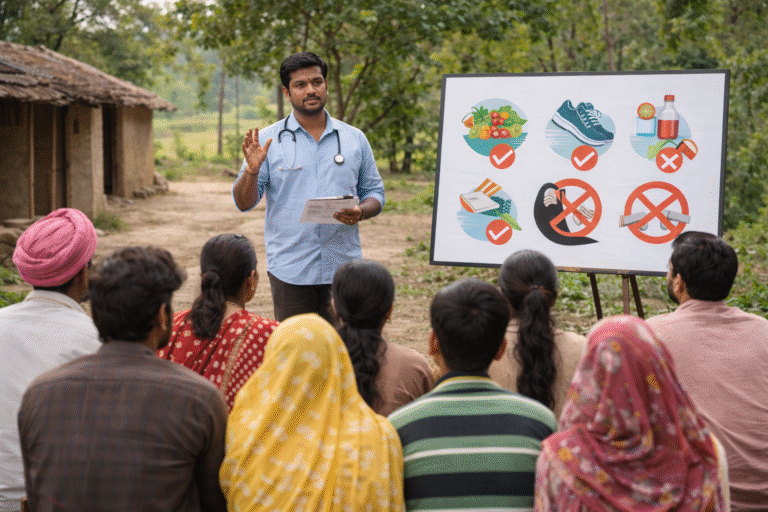
Lifestyle diseases have quietly become one of the biggest health challenges of modern society. Unlike infectious illnesses, these conditions develop gradually, often without visible warning signs, and are deeply linked to everyday habits. Diseases such as diabetes, heart ailments, obesity, hypertension, and certain chronic disorders are no longer limited to older age groups. Today, they affect working professionals, young adults, and even adolescents.
In many cases, lifestyle diseases are not the result of a single factor but a combination of poor dietary choices, lack of physical activity, stress, irregular sleep patterns, and limited health awareness. While medical treatment plays a vital role, prevention begins much earlier with awareness. Understanding how daily choices impact long-term health empowers individuals and communities to make informed decisions.
This is where awareness becomes a powerful tool. By educating people about risks, symptoms, and preventive practices, societies can significantly reduce the burden of lifestyle-related illnesses. Awareness does not just save lives; it improves quality of life, strengthens communities, and builds a healthier future.
Lifestyle diseases are conditions primarily caused by unhealthy habits and long-term behavioral patterns. Unlike sudden illnesses, they develop slowly and often remain undetected until they reach an advanced stage. Common lifestyle diseases include diabetes, cardiovascular diseases, obesity, respiratory disorders, and certain forms of cancer.
The rapid pace of urbanization has contributed significantly to this rise. Sedentary jobs, excessive screen time, processed foods, and high stress levels have become part of everyday life. As a result, physical activity has reduced, and mental well-being has been compromised. These factors together create a breeding ground for chronic health conditions.
The impact of lifestyle diseases goes beyond physical health. They affect emotional well-being, productivity, family stability, and financial security. Medical expenses increase, work efficiency declines, and emotional stress becomes a constant companion. Without awareness and early intervention, these diseases can severely affect individuals and communities alike.
Awareness acts as the foundation of prevention. When people understand how lifestyle diseases develop, they are more likely to recognize early symptoms and take corrective action. Awareness encourages individuals to question unhealthy routines and adopt better habits before serious health complications arise.
Educating people about nutrition, physical activity, mental health, and regular health check-ups creates a proactive approach to wellness. Awareness also reduces fear and misinformation, allowing individuals to make decisions based on facts rather than assumptions. When communities are informed, prevention becomes a shared responsibility rather than an individual struggle.
Moreover, awareness helps bridge the gap between healthcare systems and the public. It encourages timely medical consultations and promotes preventive healthcare rather than reactive treatment. This shift plays a critical role in reducing long-term health risks.
Small, consistent lifestyle choices have a profound impact on long-term health. Awareness helps people understand how daily habits shape their physical and mental well-being over time.
Key preventive habits include:
Maintaining a balanced diet rich in natural and nutritious foods
Engaging in regular physical activity, even in simple forms like walking
Managing stress through mindfulness, relaxation, or hobbies
Prioritizing adequate sleep and recovery
Avoiding excessive consumption of tobacco, alcohol, and processed foods
When individuals become aware of how these habits influence their health, prevention becomes achievable. Awareness transforms routine actions into conscious health decisions, reducing the risk of chronic conditions.
Many lifestyle diseases remain silent during their early stages. High blood pressure, elevated blood sugar levels, and cholesterol imbalances often show no immediate symptoms. Without awareness, individuals may ignore subtle signs until serious complications develop.
Health education promotes regular health screenings and encourages people to listen to their bodies. Awareness campaigns help normalize routine check-ups and remove the stigma associated with medical testing. Early detection not only improves treatment outcomes but also reduces healthcare costs and emotional distress.
Educating families and communities about early warning signs empowers individuals to seek timely medical advice. This proactive approach significantly lowers the severity and progression of lifestyle diseases.
Mental and emotional health are deeply connected to lifestyle diseases. Chronic stress, anxiety, and emotional burnout often lead to unhealthy coping mechanisms such as overeating, smoking, alcohol dependence, or physical inactivity.
Psychological awareness helps individuals recognize emotional triggers that influence behavior. Understanding stress patterns and emotional responses allows people to adopt healthier coping strategies instead of self-destructive habits.
Key aspects of psychological awareness include:
Recognizing stress signals
Understanding emotional eating patterns
Practicing mindfulness and self-regulation
Seeking support without stigma
When mental well-being is prioritized alongside physical health, lifestyle disease prevention becomes more holistic and effective.
Many lifestyle diseases progress silently, showing no obvious symptoms in the early stages. Regular health screenings act as an essential preventive measure, helping detect conditions before complications arise.
Awareness around routine check-ups encourages individuals to view screenings as a preventive habit rather than a response to illness. Blood sugar tests, blood pressure monitoring, cholesterol checks, and BMI assessments provide valuable insights into overall health.
Benefits of healthcare awareness include:
Early diagnosis and timely intervention
Reduced long-term treatment costs
Better disease management outcomes
Improved quality of life
When awareness removes fear and hesitation around medical check-ups, prevention becomes practical and accessible.
Mental health and physical health are deeply interconnected. Chronic stress, anxiety, and emotional exhaustion contribute to unhealthy coping mechanisms such as overeating, inactivity, or substance abuse. Over time, these behaviors increase the risk of lifestyle diseases.
Raising awareness about mental well-being helps individuals recognize the importance of emotional balance. Stress management techniques, social support, and open conversations about mental health encourage healthier coping strategies.
When mental health awareness becomes part of preventive healthcare, individuals are better equipped to maintain overall wellness and reduce long-term health risks.
Building Awareness Through Health Campaigns
Public health campaigns play a vital role in educating people on lifestyle-related risks. Clear messaging, consistent outreach, and community involvement ensure that information reaches diverse populations and creates lasting impact.
Encouraging Preventive Healthcare Practices
Awareness promotes regular health check-ups, early screenings, and preventive consultations. These practices help detect potential issues early and prevent complications.
Empowering Individuals to Take Control of Their Health
Knowledge empowers people to take responsibility for their well-being. Awareness transforms passive healthcare consumers into active participants in their health journey.
Creating a Culture of Wellness in Society
When awareness becomes widespread, wellness turns into a shared cultural value. Communities that prioritize health create environments where healthy choices become the norm rather than the exception.
Flybird Foundation believes that awareness is the cornerstone of a healthier society. Through its health and wellness initiatives, the foundation focuses on educating communities about lifestyle diseases, preventive care, and sustainable well-being practices.
The foundation actively engages in awareness drives, community programs, and educational initiatives that emphasize preventive healthcare rather than reactive treatment. By creating safe spaces for learning and dialogue, Flybird Foundation empowers individuals to make informed health decisions.
Flybird Foundation’s health-focused initiatives aim to:
Promote awareness of lifestyle diseases and risk factors
Encourage preventive habits through education
Support community-led health discussions
Reduce stigma around chronic illness and mental health
By integrating awareness with action, Flybird Foundation works toward building resilient, informed, and health-conscious communities.
Awareness alone is not enough unless it leads to action. The true power of awareness lies in its ability to inspire consistent, manageable lifestyle changes. Sustainable change does not require perfection; it requires commitment and understanding.
When people understand why change is necessary, they are more likely to maintain it. Awareness fosters patience, self-compassion, and long-term thinking, making healthy habits easier to adopt and sustain.
Sustainable changes influenced by awareness include:
Gradual improvement in diet quality
Consistent physical activity routines
Balanced work-life habits
Improved sleep hygiene
These small yet meaningful changes collectively reduce the risk of lifestyle diseases over time.
Lifestyle diseases present a growing challenge, but they are not inevitable. Awareness has the power to transform health outcomes by shifting focus from treatment to prevention. When individuals understand how their daily habits influence long-term health, they gain the ability to make informed, life-enhancing choices.
Preventive awareness strengthens individuals, families, and communities. It encourages early action, reduces healthcare burdens, and improves overall quality of life. From education and psychological understanding to community engagement and healthcare access, awareness acts as a unifying force in disease prevention.
Through its commitment to health education and community empowerment, Flybird Foundation continues to promote awareness as a tool for positive change. By nurturing informed communities and encouraging preventive lifestyles, the foundation contributes to a future where healthier choices lead to healthier lives.

Together, we spread hope, inspire change, and shape brighter futures.
Flybird Foundation © All Rights Reserved.