
+91 9008 41 9008
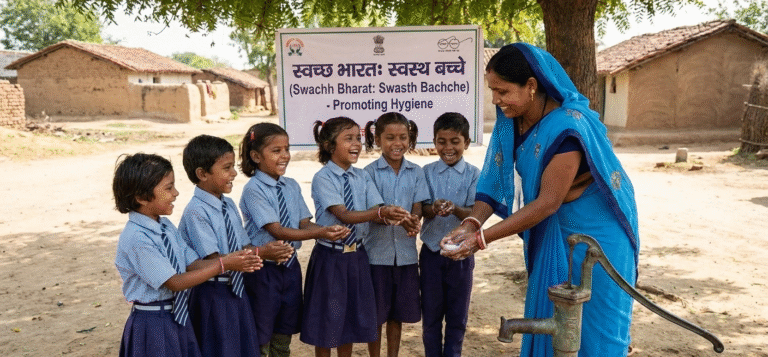
Promoting Hygiene Habits Among Children is one of the most impactful investments a society can make for its future. Hygiene is not simply about cleanliness; it is about dignity, health, confidence, and self-respect. When children are introduced to hygiene as a way of life rather than a set of rules, they grow into adults who value personal care and social responsibility.
In childhood, habits are formed quickly and retained for life. Teaching hygiene during these formative years ensures that children carry these lessons forward, influencing their families and communities. The role of parents, schools, communities, and organizations like Flybird Foundation becomes essential in guiding children toward healthier choices.
Hygiene education, when delivered with care and consistency, becomes a lifestyle lesson that shapes not only individual well-being but also collective social progress.
Hygiene should never feel like a forced task for children. Instead, it must be presented as a lifestyle that supports comfort, confidence, and well-being. When children understand the purpose behind hygiene, they willingly adopt these practices.
Hygiene as a lifestyle means embedding cleanliness into everyday thinking, behavior, and values.
Key aspects of hygiene as a lifestyle include:
Understanding cleanliness as self-care, not punishment
Associating hygiene with confidence and positivity
Practicing cleanliness consistently at home and school
Respecting shared spaces and community surroundings
Developing responsibility through daily personal care
Through hygiene lifestyle lessons for children, cleanliness becomes a natural part of who they are, not just something they are told to do.
Early childhood is a sensitive stage where physical, emotional, and behavioral patterns develop rapidly. The importance of hygiene for children lies in its ability to protect health while building discipline and awareness.
Children who learn hygiene early experience fewer illnesses, better concentration, and improved emotional stability.
Why early hygiene education matters:
Strengthens immunity and prevents infections
Reduces school absenteeism due to illness
Builds self-confidence and social comfort
Encourages independence and responsibility
Supports overall child health and hygiene
By focusing on children hygiene education at an early age, society lays a strong foundation for healthier generations.
Many children struggle to maintain hygiene due to external and internal challenges. These barriers often go unnoticed but significantly impact daily habits and health.
Common challenges include:
Lack of awareness about hygiene practices
Limited access to clean water and sanitation
Inconsistent guidance at home or school
Environmental conditions affecting cleanliness
Social and economic constraints
Addressing these challenges requires empathy, education, and support from families, schools, communities, and community hygiene initiatives for children.
Parents are the strongest influencers in a child’s life. Children observe, imitate, and learn from daily household behaviors. When hygiene is practiced consistently at home, children naturally follow.
Rather than strict instructions, gentle guidance and positive reinforcement help children understand the value of cleanliness.
Ways parents can promote healthy habits:
Practicing hygiene together as a family
Encouraging routines like handwashing and oral care
Praising children for maintaining cleanliness
Using stories and examples instead of scolding
Supporting healthy habits for kids through consistency
Parental involvement transforms hygiene from instruction into inspiration.
Schools serve as structured environments where children spend a significant portion of their day, making them ideal platforms for hygiene awareness. Cleanliness education for school children goes beyond textbooks; it involves real-life practice, observation, and reinforcement.
Teachers play a vital role in shaping personal hygiene awareness in children by integrating hygiene lessons into everyday school activities. From handwashing routines to classroom cleanliness, schools can foster an environment where hygiene is valued and practiced collectively.
Well-designed school hygiene awareness programs help children understand their role in maintaining not only personal cleanliness but also shared spaces, promoting teamwork and social responsibility.
Hygiene has a direct and measurable impact on physical and mental health. Clean habits protect children from infections while supporting emotional confidence.
Health benefits of good hygiene include:
Reduced risk of communicable diseases
Better digestion and nutrition absorption
Improved skin and oral health
Enhanced emotional well-being
Stronger immunity and resilience
Consistent hygiene practices play a vital role in overall child health and hygiene, supporting long-term growth and development.
Communities play a vital role in shaping children’s habits. Clean surroundings, access to sanitation, and community-driven initiatives create an environment where hygiene is valued collectively. Children are more likely to practice cleanliness when they see it reflected in their surroundings.
Local participation in community hygiene initiatives for children fosters a sense of shared responsibility. When communities come together to promote hygiene, children grow up understanding that cleanliness is a collective effort rather than an individual task.
Strong community involvement reinforces lessons taught at home and school, creating a supportive ecosystem for hygiene awareness.
Children learn best when they are actively involved. Making hygiene education enjoyable increases participation and long-term retention.
Effective engagement methods include:
Storytelling and role-playing
Interactive games and activities
Visual demonstrations and charts
Group participation and challenges
Positive reinforcement and rewards
Engaging approaches strengthen children hygiene education by turning learning into an enjoyable experience.
Hygiene awareness programs show visible improvements in children’s behavior and health. These changes often extend beyond children to families and communities.
Observed impacts include:
Improved attendance and participation in school
Reduced illness and health-related issues
Increased confidence and self-esteem
Better parental awareness and involvement
Long-term behavior change
The success of Promoting Hygiene Habits Among Children lies in its ability to create sustainable transformation.
Flybird Foundation is deeply committed to nurturing healthy habits among children by promoting hygiene as a lifelong value rather than a short-term practice. The Foundation believes that awareness, education, and dignity-driven cleanliness can shape confident, healthy, and responsible future generations. Through focused efforts, hygiene is introduced as an essential part of everyday life for children.
Designing awareness initiatives that strengthen personal hygiene awareness in children
Supporting schools and communities through structured school hygiene awareness programs
Encouraging healthy habits for kids by linking cleanliness with confidence and self-respect
Creating sustainable Flybird Foundation hygiene initiatives that focus on long-term behavioral change
By consistently working at the grassroots level, Flybird Foundation continues to empower children with the knowledge and values needed to lead healthier lives and contribute to cleaner, more responsible communities.
Building hygiene habits is only the first step. Sustaining them requires continuous guidance, reinforcement, and community support.
Key factors for sustainability:
Regular reinforcement at home and school
Supportive environments
Consistent awareness programs
Community participation
Long-term commitment from organizations
Organizations like Flybird Foundation play a crucial role in ensuring hygiene education remains effective over time.
Promoting Hygiene Habits Among Children is more than an educational initiative; it is a movement toward healthier living and responsible citizenship. Hygiene, when taught as a lifestyle lesson, shapes children’s physical health, emotional well-being, and social values. These early lessons stay with children throughout their lives, influencing their daily choices and long-term behavior.
By prioritizing child health and hygiene, society equips children with skills that extend far beyond cleanliness. These habits foster discipline, dignity, and awareness, forming the backbone of personal and social development. Over time, such values help children grow into confident individuals who respect themselves and their surroundings.
Through its dedicated work, Flybird Foundation continues to nurture hygiene awareness and empower children to lead healthier, more confident lives. By strengthening personal hygiene awareness in children, the Foundation plays a meaningful role in creating a cleaner, healthier, and more conscious future for generations to come.

Together, we spread hope, inspire change, and shape brighter futures.
Flybird Foundation © All Rights Reserved.