
+91 9008 41 9008
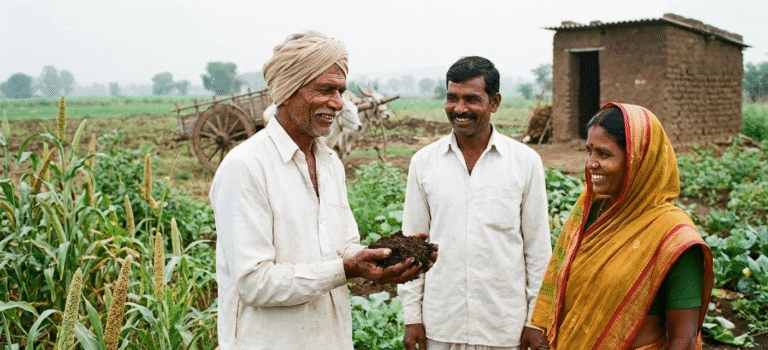
For centuries, agriculture has been deeply connected to nature, relying on natural cycles, fertile soil, and seasonal rhythms to produce food. Traditional farming practices worked in harmony with the environment, ensuring that land remained productive while supporting ecological balance. This relationship between farming and nature formed the backbone of food systems that were resilient, self-sustaining, and respectful of natural resources.
Over time, however, the shift toward intensive, chemical-driven agriculture altered this balance. The widespread use of synthetic fertilizers, pesticides, and high-yield techniques brought short-term productivity gains but also introduced long-term challenges. Soil degradation, water pollution, declining biodiversity, and rising input costs have become increasingly evident. These challenges have raised serious concerns about the long-term sustainability of modern agricultural systems.
In response to these growing challenges, Flybird Foundation recognizes organic farming as a vital pathway toward restoring balance between agriculture and nature. By promoting awareness around sustainable agriculture and environmentally responsible farming practices, the Foundation emphasizes the importance of soil health, chemical-free cultivation, and long-term ecological stability.
Organic farming is an agricultural system that focuses on natural processes and inputs to grow crops while maintaining ecological balance. Unlike conventional farming, organic agriculture avoids synthetic fertilizers, pesticides, herbicides, and genetically modified organisms. Instead, it relies on natural alternatives that enhance soil fertility and protect crops without harming the environment.
At its core, organic farming is guided by a few fundamental principles that shape every stage of cultivation:
Soil health and fertility: Maintaining rich, living soil through organic matter and natural nutrients
Ecological balance: Supporting biodiversity and natural pest control
Sustainability: Ensuring long-term productivity without exhausting resources
Environmental protection: Minimizing pollution and conserving water and ecosystems
By following these principles, organic farming promotes a holistic approach to agriculture. It recognizes that soil, water, plants, and microorganisms are interconnected and must be managed collectively to create resilient farming systems.
India has a long history of agriculture rooted in natural methods. Traditional farming relied on compost, animal manure, crop rotation, and indigenous seeds. These practices supported soil fertility and ensured stable yields over generations. Water was used efficiently, and farming systems adapted to local climates and landscapes.
The introduction of chemical-based agriculture marked a turning point. While it helped address food shortages and increased crop yields initially, it also led to unintended consequences. Continuous use of chemical fertilizers reduced organic matter in the soil, weakening its structure and nutrient-holding capacity. Excessive pesticides disrupted ecosystems and contaminated water sources.
Over time, farmers faced declining soil productivity, increased dependence on external inputs, and rising costs. These challenges highlighted the limitations of intensive farming and renewed interest in organic agriculture. Returning to organic methods is not about rejecting progress, but about integrating traditional wisdom with modern knowledge to restore balance in agriculture.
Healthy soil is the foundation of sustainable agriculture. It supports plant growth, retains water, and hosts microorganisms that play a crucial role in nutrient cycling. In conventional farming systems, heavy reliance on chemicals often weakens soil structure and reduces its biological activity.
Organic farming prioritizes soil health by enriching it with organic matter and encouraging microbial life. Compost, green manure, crop residues, and natural fertilizers improve soil fertility naturally and sustainably.
Organic farming improves soil health in several ways:
Increases organic carbon content, enhancing soil structure
Improves water retention and reduces erosion
Supports beneficial microorganisms and earthworms
Reduces nutrient loss and soil compaction
Healthy soil not only improves crop yields over time but also increases resilience to droughts and extreme weather conditions, making organic farming a cornerstone of sustainable agriculture.
Organic farming offers significant environmental benefits by reducing pollution and conserving natural resources. By avoiding synthetic chemicals, organic agriculture minimizes contamination of soil, air, and water. This protects ecosystems and reduces harm to wildlife.
Key environmental benefits include:
Reduced water pollution due to the absence of chemical runoff
Improved biodiversity through natural pest management
Lower soil erosion and land degradation
Enhanced ecosystem stability
Organic farms often serve as biodiversity-rich environments where plants, insects, and microorganisms coexist. This diversity strengthens natural pest control mechanisms and reduces the need for external interventions.
The growing demand for organic food is closely linked to health and nutritional concerns. Organic farming avoids chemical residues that may accumulate in food produced through conventional methods. This results in cleaner produce that aligns with consumer preferences for chemical-free farming.
Organic food is often associated with:
Lower exposure to synthetic pesticides
Improved nutritional balance due to healthier soil
Greater transparency in food production
As awareness of food quality increases, organic agriculture contributes to building trust between producers and consumers while supporting healthier dietary choices.
Beyond environmental and health benefits, organic farming has a meaningful economic and social impact. While the initial transition to organic methods may require adjustments, long-term benefits often outweigh early challenges.
Organic agriculture supports rural communities by:
Reducing dependency on costly chemical inputs
Encouraging local resource utilization
Creating opportunities for premium pricing and niche markets
By focusing on sustainability rather than volume alone, organic farming promotes stable livelihoods and long-term economic resilience for farming communities.
Water conservation is a critical advantage of organic farming. Healthy soil rich in organic matter absorbs and retains water more effectively, reducing irrigation needs. This is particularly important in regions facing water scarcity.
Organic practices support water conservation by:
Improving soil structure and moisture retention
Reducing chemical runoff into water bodies
Encouraging efficient water use through natural soil processes
By protecting water quality and availability, organic farming contributes to the sustainability of both agriculture and surrounding ecosystems.
Climate change poses serious challenges to agriculture, including unpredictable rainfall, rising temperatures, and extreme weather events. Organic farming enhances resilience by strengthening soil health and promoting biodiversity.
Organic agriculture contributes to climate adaptation by:
Increasing carbon sequestration in soil
Reducing greenhouse gas emissions linked to chemical inputs
Improving crop resilience to climate variability
These benefits position organic farming as a climate-smart approach that supports long-term agricultural sustainability.
Despite its advantages, organic farming in India faces several challenges. Transitioning from conventional methods requires time, knowledge, and patience. Farmers may experience temporary yield reductions during the conversion period.
Common challenges include:
Limited access to training and technical guidance
Certification and compliance requirements
Market access and price realization
Addressing these challenges requires coordinated support through education, policy initiatives, and community engagement.
Awareness and education are essential for expanding organic agriculture. Training programs help farmers understand organic techniques and soil management practices. Educational initiatives also inform consumers about the benefits of sustainable food systems.
Policy support strengthens organic farming by:
Encouraging sustainable agricultural practices
Supporting certification and market access
Promoting research and innovation
When awareness, education, and policy work together, organic farming becomes more accessible and impactful.
Flybird Foundation believes that sustainable agriculture is essential for environmental protection, food security, and community well-being. The Foundation supports awareness-driven initiatives that encourage responsible farming practices, focusing on long-term soil health, ecological balance, and the reduction of harmful agricultural inputs.
Through its broader mission of social and environmental responsibility, Flybird Foundation emphasizes the importance of aligning farming practices with nature. By promoting sustainable agriculture, the Foundation aims to contribute to resilient rural ecosystems and a healthier relationship between communities and the land they depend on.
Promoting awareness about organic farming and sustainable agricultural practices
Encouraging environmentally responsible land and resource management
Supporting initiatives that strengthen soil health and ecological balance
Advocating long-term agricultural sustainability for future generations
Supporting organic farming requires collective effort from consumers, institutions, and communities. Everyday choices can strengthen sustainable food systems and encourage responsible agriculture.
Actions that support organic farming include:
Choosing organic and sustainably produced food
Encouraging eco-friendly agricultural practices
Supporting awareness initiatives related to sustainable agriculture
Promoting responsible consumption habits
When demand aligns with sustainability, organic farming gains the momentum needed for wider adoption.
Organic farming represents a return to the roots of sustainable agriculture—where food production works in harmony with nature rather than against it. By prioritizing soil health, water conservation, and ecological balance, organic agriculture offers a pathway toward resilient food systems and environmental protection.
As challenges such as climate change, soil degradation, and water scarcity intensify, the need for sustainable agriculture becomes increasingly urgent. Organic farming provides solutions that address these challenges holistically, ensuring long-term productivity and environmental stability.
Through its commitment to sustainability and awareness, Flybird Foundation supports efforts that encourage responsible farming and environmental stewardship. By nurturing the land today, organic farming helps secure a healthier, more sustainable future for generations to come.

Together, we spread hope, inspire change, and shape brighter futures.
Flybird Foundation © All Rights Reserved.