
+91 9008 41 9008
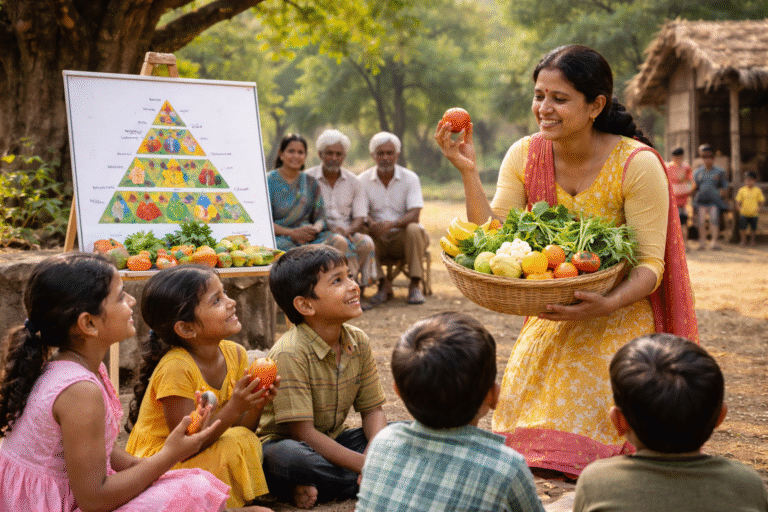
Good nutrition is the cornerstone of a healthy and productive life. In a world where lifestyle diseases are rising and children often grow up on processed foods, nutrition awareness becomes not just important but essential. It is the key to building a stronger, healthier, and more capable generation that can lead the nation toward a better future.
Poor nutrition affects physical growth, mental development, and immunity. On the other hand, informed food choices can prevent disease, enhance learning abilities, and improve overall well-being. This is why promoting nutrition awareness across all age groups, especially among children and youth, is one of the most impactful ways to shape a healthier society.
Nutrition awareness means educating people about the importance of balanced diets, healthy eating habits, and the role of nutrients in maintaining good health. It focuses on empowering individuals to make informed food choices based on understanding what their bodies truly need.
Key elements of nutrition awareness include:
Understanding different food groups and their functions
Recognizing the importance of vitamins, minerals, and proteins
Learning about portion control and dietary balance
Avoiding junk food, excessive sugar, and processed meals
Staying hydrated and maintaining regular meal timings
When people become aware of the nutritional value of food, they start making healthier decisions that lead to a lifetime of wellness.
Modern lifestyles have changed how we eat and live. Busy routines, fast food, and digital distractions have replaced home-cooked meals and outdoor activities. This has resulted in increasing cases of obesity, diabetes, and heart diseases even among children.
Creating awareness about nutrition is essential because it helps people understand the long-term effects of poor eating habits and motivates them to adopt a balanced approach toward food.
Here’s why nutrition awareness is crucial:
Prevents Malnutrition and Deficiencies
Many children and adults suffer from iron, calcium, and vitamin deficiencies due to unbalanced diets. Awareness helps identify and prevent these gaps early.
Builds Strong Immunity
Proper nutrition strengthens the immune system, helping the body fight infections and diseases effectively.
Improves Academic and Work Performance
Healthy meals improve concentration, memory, and energy levels, supporting better learning and productivity.
Reduces Lifestyle Disorders
Educating people about the dangers of sugary drinks, processed snacks, and unhealthy fats helps reduce the risk of obesity, diabetes, and hypertension.
Promotes Emotional and Mental Well-being
Certain nutrients like omega-3, vitamin D, and B-complex support mental health, reducing stress and fatigue.
A balanced diet is made up of several key nutrients that work together to support growth, immunity, and overall health. Each nutrient has a unique role to play in keeping the body strong and active.
Here’s a breakdown of the essential nutrients every growing body needs:
Proteins:
Proteins are the body’s building blocks. They help in repairing tissues, building muscles, and forming essential enzymes and hormones. Common sources include eggs, pulses, milk, curd, lentils, soy products, fish, and lean meat.
Carbohydrates:
Carbohydrates provide the main source of energy needed for daily activities. Choosing complex carbs like whole grains, brown rice, fruits, and vegetables ensures sustained energy levels and better digestion.
Fats:
Healthy fats are essential for brain development and the absorption of fat-soluble vitamins. Good fats come from nuts, seeds, olive oil, avocados, and fatty fish like salmon. However, it’s important to avoid excessive consumption of fried and processed foods.
Vitamins:
Vitamins regulate body functions, boost immunity, and keep the skin, eyes, and organs healthy. A colorful variety of fruits, vegetables, and dairy products ensures the intake of essential vitamins like A, B, C, D, E, and K.
Minerals:
Minerals like calcium, iron, zinc, and potassium are vital for bone strength, blood production, and nerve function. Leafy greens, nuts, beans, and dairy products are excellent mineral sources.
Water:
Often overlooked, water is crucial for regulating body temperature, flushing out toxins, and supporting digestion. Drinking 8–10 glasses daily helps maintain hydration and overall health.
Each of these nutrients plays a critical role in maintaining balance within the body. A diet that includes all of them in proper proportions ensures healthy growth and long-term wellness.
Despite growing awareness, India still faces multiple nutrition-related challenges. These include both malnutrition and over-nutrition, creating a double burden of health problems.
Some major challenges include:
Lack of awareness about healthy food habits
High consumption of processed and sugary foods among children
Under-nutrition in rural areas due to poverty and limited food access
Overweight and obesity in urban areas due to sedentary lifestyles
Inadequate intake of fruits and vegetables
Skipping breakfast or relying on fast food instead of balanced meals
Addressing these challenges through continuous education and awareness drives can significantly improve public health outcomes.
A nation’s strength lies in the health of its people. When young minds grow up with proper nutrition knowledge, they make better choices that last a lifetime.
Here’s how nutrition awareness contributes to a healthier generation:
Promotes Healthy Eating Habits from Childhood
Teaching children about food groups and balanced diets helps them develop lifelong healthy eating patterns.
Reduces the Risk of Lifestyle Diseases
Awareness leads to better food selection and portion control, reducing risks of obesity and heart diseases.
Supports Growth and Cognitive Development
Proper nutrition boosts brain function, memory, and learning abilities, especially in growing children.
Encourages Family and Community Well-being
When parents and caregivers are informed, they guide entire families toward better nutrition practices.
Enhances Future Workforce Health
A healthy generation grows into a more productive and efficient workforce, benefiting the nation economically and socially.
Nutrition education should be part of everyday life, not just an occasional activity. Creating consistent awareness requires cooperation between schools, communities, and organizations.
Some practical ways to spread nutrition awareness include:
School-based Programs: Introduce lessons on healthy eating, food groups, and cooking basics.
Community Workshops: Conduct sessions for parents and women’s groups on affordable nutritious meal planning.
Media Campaigns: Use television, radio, and social media to promote nutrition facts and healthy recipes.
Health Camps: Include nutrition check-ups and diet consultations as part of regular medical camps.
Interactive Activities: Organize healthy cooking contests, poster competitions, or “nutrition weeks” in schools.
Digital Tools: Mobile apps and online portals can help individuals track their diet and learn about balanced meals.
A healthy diet doesn’t have to be complicated. Here are some easy-to-follow nutrition tips for individuals and families:
Start Your Day with a Balanced Breakfast – Include protein, fiber, and fruit to stay energized.
Eat More Fresh Fruits and Vegetables – Aim for at least 4–5 servings daily.
Stay Hydrated – Drink 8–10 glasses of water a day.
Limit Sugary Drinks and Junk Food – Replace them with natural juices, nuts, or yogurt.
Control Portion Sizes – Avoid overeating even when food is healthy.
Include Whole Grains – Choose brown rice, oats, or whole wheat instead of refined grains.
Reduce Salt and Oil Intake – Cook with minimal oil and avoid processed snacks.
Encourage Home-Cooked Meals – Homemade food is cleaner, balanced, and cost-effective.
These small yet consistent changes can lead to significant health improvements over time.
Both schools and parents have an essential role in shaping the eating habits of children.
Schools:
Should include nutrition education as part of the curriculum.
Promote healthy canteens with fruits, salads, and homemade snacks.
Organize interactive sessions with dieticians and health experts.
Parents:
Must set examples by maintaining healthy eating habits at home.
Avoid using junk food as a reward for children.
Involve kids in meal preparation to teach them food value and balance.
When both home and school environments support nutrition awareness, children grow up understanding the value of food and health.
The Flybird Foundation recognizes that good nutrition is the foundation of a strong and healthy society. Through its initiatives, the foundation aims to educate, empower, and enable communities to adopt balanced and healthy food habits.
Flybird Foundation’s contribution includes:
Organizing Nutrition Awareness Camps in rural and semi-urban areas to educate families about healthy diets.
Workshops and Demonstrations on affordable, nutritious meal planning using locally available ingredients.
School-based Awareness Programs to teach children the importance of a balanced diet.
Distributing Informative Materials like leaflets and posters highlighting essential nutrients and meal tips.
Collaborating with Health Experts to provide free diet consultations and awareness sessions during medical camps.
By focusing on awareness and accessibility, Flybird Foundation helps people make informed choices that lead to long-term health benefits and a stronger future generation.
India has several national programs promoting better nutrition, such as:
Poshan Abhiyaan (National Nutrition Mission) – Aims to reduce malnutrition and improve child and maternal health.
Mid-Day Meal Scheme – Provides nutritious meals to school children, enhancing attendance and growth.
Integrated Child Development Services (ICDS) – Offers nutritional supplements to women and children under six years.
Local organizations and community groups also conduct nutrition camps, awareness rallies, and workshops to strengthen these efforts at the grassroots level.
Nutrition awareness is the first step toward building a healthier and happier generation. By understanding what we eat and why it matters, individuals can prevent diseases, enhance energy, and live better lives.
Through education, awareness campaigns, and active participation from organizations like the Flybird Foundation, every community can move closer to a future where children grow up stronger, healthier, and more informed about their well-being.
A healthy nation begins with awareness, and nutrition is where that awareness starts.

Together, we spread hope, inspire change, and shape brighter futures.
Flybird Foundation © All Rights Reserved.