+91 9008 41 9008
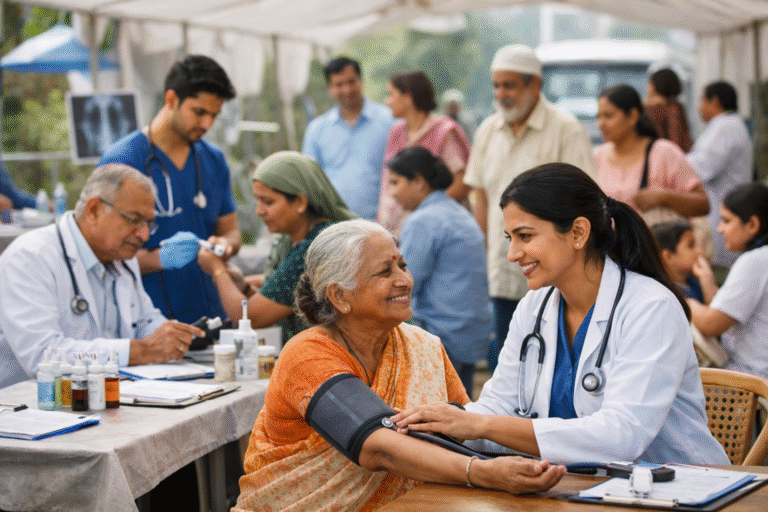
Regular health camps play a vital role in promoting preventive healthcare and early diagnosis across communities. In a country where millions struggle to access quality medical services, such camps bring healthcare directly to the people who need it the most. Organized periodically, these camps bridge the gap between doctors and the general population, saving countless lives through timely medical attention, awareness, and guidance.
Health camps are short-term medical setups arranged in rural or urban areas to provide free or affordable healthcare services. They are usually conducted by foundations, NGOs, or healthcare organizations to address specific health concerns and promote awareness about preventive care.
These camps may include:
General medical check-ups (blood pressure, sugar, BMI, etc.)
Specialized consultations (eye, dental, gynecology, pediatric, etc.)
Health awareness sessions on nutrition, hygiene, and mental wellness
Distribution of essential medicines and referrals for further treatment
By bringing medical support to the community’s doorstep, health camps make healthcare accessible to people who might otherwise go untreated.
Health camps can vary depending on the community’s needs and available resources. Some of the most common types include:
General Health Check-Up Camps
Offers basic medical examinations and guidance on nutrition and wellness.
Eye and Dental Camps
Detects cataract, vision problems, tooth decay, and gum issues that are often ignored.
Women’s Health Camps
Focuses on menstrual hygiene, maternal care, and prevention of anemia.
Child and Adolescent Camps
Ensures proper nutrition, growth tracking, and immunization for children.
Specialized Camps
Covers cardiac care, orthopedics, cancer screening, and mental health.
Organizing these camps regularly ensures that the health needs of every age group and gender are addressed effectively.
One-time health drives are helpful, but regular health camps have a far greater impact. When conducted consistently, they create sustainable improvements in community health.
Here’s why regular health camps matter:
Early Detection of Diseases
Many illnesses, such as hypertension, diabetes, or anemia, show minimal symptoms initially. Regular screening helps detect them early, preventing severe complications.
Preventive Healthcare Awareness
Health camps educate people about lifestyle diseases, nutrition, hygiene, and vaccination, encouraging healthier daily habits.
Affordable Access to Medical Care
For low-income families, hospitals and clinics can be unaffordable. Free health camps ensure that cost doesn’t become a barrier to essential care.
Encouraging Routine Check-Ups
Regular camps build a habit of periodic medical testing, which significantly reduces undiagnosed illnesses.
Community Health Tracking
Conducting camps frequently allows organizers to monitor the overall health progress of the community and identify emerging health issues early.
Regular medical camps are not just about temporary relief; they serve as an important foundation for long-term health improvements.
Some key benefits include:
Early Diagnosis: Detects chronic diseases before they worsen.
Increased Health Literacy: Educates people about maintaining hygiene, diet, and regular exercise.
Reduced Disease Spread: Awareness of sanitation and vaccination prevents infectious outbreaks.
Improved Productivity: Healthier citizens can work and contribute more effectively to society.
Access to Specialists: People from remote areas get access to doctors and experts without traveling long distances.
Health camps can be designed around specific healthcare priorities depending on community needs. Some common focus areas include:
General Health Check-Up Camps
Basic screenings for blood pressure, blood sugar, BMI, and general fitness levels.
Eye and Dental Camps
Early detection of cataract, vision issues, or oral infections that often go unnoticed.
Women’s Health Camps
Focus on reproductive health, menstrual hygiene, and anemia prevention.
Child and Adolescent Health Camps
Nutritional assessments, immunization drives, and health awareness programs for growing children.
Specialized Camps
Camps dedicated to cardiac care, cancer screening, orthopedics, or mental health evaluation.
These focused efforts ensure that diverse health issues are addressed systematically and effectively.
Awareness is the foundation of preventive healthcare. Regular health camps don’t just diagnose illnesses, they also educate people about how to stay healthy and identify warning signs early.
Health awareness sessions often include:
Information on balanced nutrition and hydration
Importance of personal and environmental hygiene
Dangers of tobacco, alcohol, and unhealthy lifestyles
Guidance on vaccination and child immunization
Mental health and stress management discussions
Such awareness initiatives empower individuals to take control of their own health, reducing the dependency on curative medicine.
Conducting an effective health camp requires careful planning and execution. The process typically includes:
Identifying the Target Area
Select locations where healthcare facilities are limited or awareness levels are low.
Collaborating with Medical Professionals
Engage doctors, nurses, and specialists to participate voluntarily or through partnerships.
Arranging Equipment and Medicines
Ensure basic diagnostic tools, first aid, and essential medicines are available on-site.
Promoting the Event Locally
Spread awareness through community leaders, posters, and local media to encourage attendance.
Data Collection and Follow-Up
Record medical findings and arrange follow-up visits or referrals for serious cases.
When repeated regularly, this cycle ensures continuous healthcare monitoring and improvement in the area’s overall wellness.
The Flybird Foundation strongly believes that health and wellness are fundamental rights for every individual. To make quality healthcare more accessible, the Foundation regularly supports and organizes health camps in underserved areas.
Here’s how the Flybird Foundation contributes to these life-saving initiatives:
Organizing Free Health Check-Up Drives
The Foundation collaborates with local doctors and medical institutions to conduct free health check-up camps across rural and semi-urban regions.
Providing Essential Medicines and Equipment
Medicines, vitamins, and first-aid supplies are distributed free of cost to patients who attend the camps.
Creating Awareness Programs
The Foundation runs awareness sessions about hygiene, nutrition, maternal health, and chronic disease prevention.
Promoting Preventive Health Culture
By encouraging people to get regular screenings, the Foundation helps communities adopt preventive healthcare habits.
Volunteer Involvement and Community Engagement
Volunteers assist in managing the camps, guiding participants, and ensuring smooth coordination between patients and doctors.
Follow-Up Support for Critical Cases
Individuals diagnosed with serious health issues are guided toward nearby hospitals or specialists for further treatment.
Through these ongoing efforts, Flybird Foundation not only improves immediate health outcomes but also builds a long-term culture of care, awareness, and responsibility toward better living.
The positive outcomes of organizing regular health camps are both immediate and long-term. They include:
Reduction in preventable deaths through early diagnosis
Improved maternal and child health due to awareness and screenings
Better disease management for chronic illnesses like hypertension and diabetes
Enhanced hygiene practices leading to fewer infections
Strengthened trust between communities and healthcare providers
Over time, such initiatives contribute to creating healthier societies that are more informed and self-reliant.
While the benefits are numerous, organizing consistent health camps comes with challenges such as:
Limited funding and resources
Shortage of medical professionals in remote areas
Poor participation due to lack of awareness
Difficulty in ensuring follow-up care after camps
However, these challenges can be addressed through partnerships, digital tracking systems, and community involvement to sustain the impact.
Regular health camps save lives by focusing on prevention, education, and accessibility. Instead of waiting for people to visit hospitals, they bring healthcare to their doorsteps.
Their role in saving lives can be summarized as:
Preventive Action: Early detection stops diseases from advancing to critical stages.
Awareness and Behavior Change: Educated communities make healthier lifestyle choices.
Immediate Medical Attention: People with high-risk conditions receive timely treatment and referrals.
Community Empowerment: Regular camps create health-conscious societies that prioritize wellness.
Each camp, no matter how small, contributes to reducing illness, preventing deaths, and improving the overall quality of life.
Health camps are one of the most effective ways to make healthcare accessible, affordable, and preventive. Conducted regularly, they not only save lives but also build healthier, more informed communities.
By focusing on early diagnosis, awareness, and consistent follow-up, regular health camps become a cornerstone of public health improvement — ensuring that every individual, regardless of income or location, gets the medical care they deserve.
When organized with consistency and compassion, these camps can truly transform lives — one community at a time.

Together, we spread hope, inspire change, and shape brighter futures.
Flybird Foundation © All Rights Reserved.