
+91 9008 41 9008
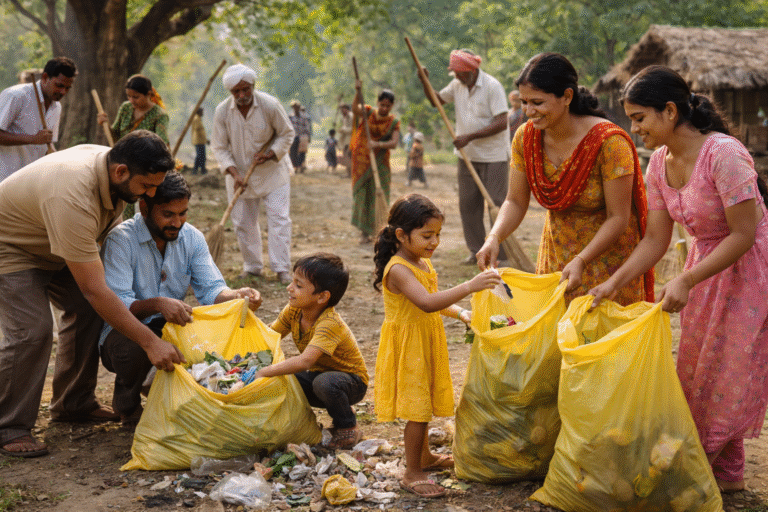
Cleanliness is more than just a habit; it is a reflection of our respect for life, health, and the environment. A clean surrounding nurtures not only physical well-being but also mental peace and community pride. Yet, in many parts of the world, especially in developing regions, waste management and hygiene remain ongoing challenges. Streets littered with garbage, open drains, and polluted water bodies continue to threaten both public health and ecological balance.
In response to this pressing issue, Flybird Foundation has taken proactive steps through its cleanliness and sanitation drives, empowering communities to take charge of their environment. These initiatives go far beyond picking up litter; they build awareness, inspire responsibility, and create healthier, happier communities.
Cleanliness plays a crucial role in our lives. From the air we breathe to the water we drink, maintaining hygiene directly affects our health and quality of life. A clean environment reduces the spread of diseases, promotes better mental health, and enhances the overall well-being of individuals and families.
Unfortunately, many people still underestimate its importance. Improper waste disposal, open defecation, and stagnant water are breeding grounds for mosquitoes and bacteria, leading to serious illnesses like malaria, dengue, and cholera. Maintaining cleanliness is therefore not just a matter of aesthetics — it is a matter of survival and dignity.
Clean surroundings also reflect community harmony. When people come together to keep their environment clean, it builds a sense of unity, discipline, and mutual respect. And that is exactly the spirit Flybird Foundation works to cultivate through its initiatives.
The Flybird Foundation firmly believes that small actions, when taken collectively, can lead to transformative change. Its cleanliness drives are designed with the vision of not only cleaning public spaces but also transforming mindsets. The Foundation understands that for cleanliness to be sustained, it must become a community habit, not just an occasional effort.
Through these drives, Flybird Foundation aims to:
Encourage people to take ownership of their surroundings.
Educate communities on proper waste segregation and disposal.
Promote hygiene practices to reduce disease transmission.
Foster community participation through volunteering and awareness.
Build a culture of responsibility where cleanliness becomes a shared value.
These drives go hand in hand with the Foundation’s broader goals, creating sustainable, inclusive, and healthy communities across India.
The link between cleanliness and health is undeniable. A clean environment prevents the spread of infectious diseases, reduces pollution, and improves air and water quality. Public health experts have long emphasized that preventive care begins with maintaining hygiene.
In many urban and rural areas, uncollected waste often becomes a source of contamination. Polluted water bodies not only destroy aquatic life but also affect drinking water quality. Through its cleanliness campaigns, Flybird Foundation actively works to address these root causes.
By organizing waste collection programs, sanitation awareness drives, and cleaning campaigns in schools and public places, the Foundation helps ensure that cleanliness becomes a foundation for health. When communities understand that good hygiene leads to better health outcomes, they naturally start practicing it with commitment.
No cleanliness mission can succeed without active participation from the community. Recognizing this, Flybird Foundation designs its initiatives around inclusion and engagement. Volunteers, students, local residents, and municipal workers all come together to transform their neighborhoods into cleaner, safer spaces.
Community members are not treated as beneficiaries but as partners in change. This approach creates a strong sense of ownership, people are more likely to keep their surroundings clean when they are directly involved in the effort.
From cleaning public parks and streets to educating households on waste segregation, these drives foster cooperation, teamwork, and civic pride. It’s not just about cleaning one area it’s about nurturing a mindset of accountability and care for the community.
Sustainability in cleanliness can only be achieved through consistent education and awareness. Many people simply don’t realize the long-term impact of their actions, such as littering or dumping waste in open areas. Flybird Foundation works to change this through continuous awareness campaigns.
The Foundation organizes interactive workshops, school programs, and public awareness rallies to educate people about:
Proper waste segregation (biodegradable and non-biodegradable).
Recycling and composting methods.
The environmental and health consequences of pollution.
The importance of personal hygiene and community cleanliness.
When people understand why cleanliness matters, they are more likely to adopt it as a habit. Education ensures that the message doesn’t end with one event; it continues through generations.
Youth are the driving force of any social movement. Flybird Foundation’s cleanliness drives often witness strong participation from students, young professionals, and volunteers who are eager to make a difference.
The Foundation empowers them through leadership opportunities, giving them roles in organising campaigns, leading local groups, and spreading awareness on social media. By doing so, it not only amplifies the impact of the campaigns but also builds a generation of environmentally conscious citizens.
For many young volunteers, participating in these drives is a life-changing experience. It helps them realize that transformation doesn’t always require massive resources; it starts with willingness and teamwork.
Beyond health and hygiene, cleanliness drives also contribute significantly to environmental conservation. Proper waste management helps reduce land pollution, prevent plastic clogging in water bodies, and protect wildlife.
Flybird Foundation often integrates its cleanliness efforts with other sustainability projects, such as tree plantation, waste recycling, and water conservation, to create holistic environmental impact.
For instance, cleaning a polluted lake followed by planting trees around it not only restores the ecosystem but also enhances local biodiversity. Every cleanup campaign is thus a step toward a greener, healthier planet.
While cleanliness drives create awareness and momentum, sustaining cleanliness is a constant challenge. Factors such as lack of proper waste disposal systems, limited resources, and public negligence often make it difficult to maintain long-term results.
However, Flybird Foundation tackles these challenges through regular follow-ups, partnerships with local authorities, and continued awareness activities. By building networks of local volunteers and community groups, it ensures that cleanliness doesn’t end with a one-day event but becomes an ongoing movement.
Over time, Flybird Foundation’s cleanliness drives have created visible change in several communities. Streets once filled with waste now stand cleaner, schools maintain better hygiene, and residents proudly participate in maintaining their localities.
One of the most inspiring aspects of these programs is the transformation of attitude. People who once ignored litter now actively remind others to use dustbins. Children encourage parents to segregate waste. Public areas are treated with care and respect.
These small victories represent the true success of Flybird Foundation’s mission, not just clean spaces, but conscious, responsible citizens.
Cleanliness is the cornerstone of a healthy and harmonious society. It reflects discipline, compassion, and collective responsibility. The journey toward cleaner communities begins when every individual decides to act not because it is required, but because it is right.
Through its cleanliness drives, Flybird Foundation has shown that real change happens when awareness meets action. By uniting communities, inspiring youth, and promoting sustainable hygiene practices, the Foundation is helping build healthier, more dignified lives for all.
When we keep our surroundings clean, we protect not only our environment but also our future. Together, let’s remember that a cleaner world is a healthier world.

Together, we spread hope, inspire change, and shape brighter futures.
Flybird Foundation © All Rights Reserved.