
+91 9008 41 9008
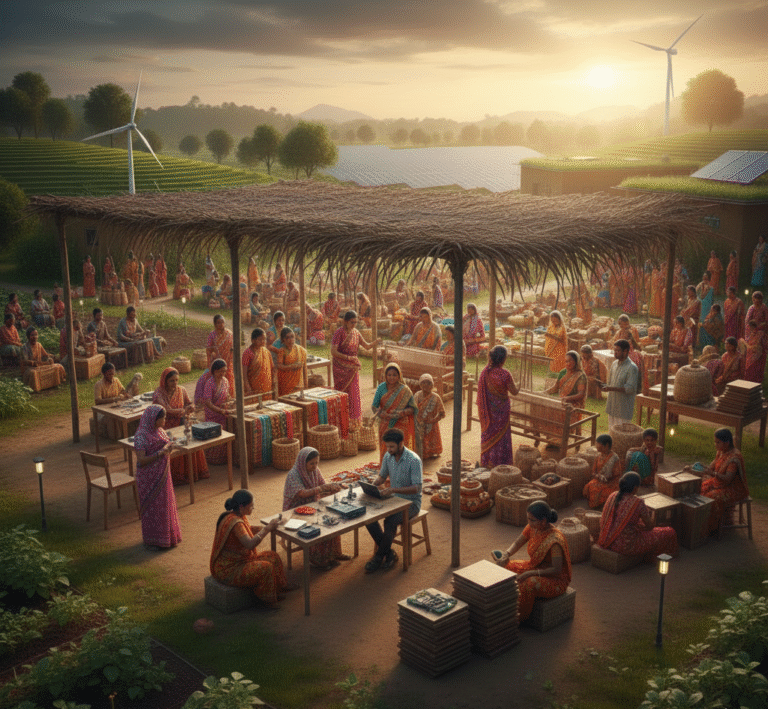
There is something special about the warmth of handmade creations.
A handwoven basket, a clay lamp, a carved wooden frame, or a vibrant piece of embroidery carries more than artistic value—it carries a story. A story of resilience, patience, heritage, and hope. Across rural India, thousands of artisans continue to preserve this cultural treasure, yet their lives often remain overshadowed by financial instability and limited access to markets.
Flybird Foundation’s initiative, “Handmade With Hope,” was born from a simple belief:
When we empower artisans, we protect culture, strengthen families, and fuel sustainable livelihoods.
This blog explores how sustainable platforms are not only uplifting artisans but transforming entire communities.
In many rural villages, art is not just an occupation; it is a way of life.
Children learn hand-skills from their parents; generations pass down techniques that remain untouched by machines. Whether it’s Madhubani painters of Bihar, terracotta artists of West Bengal, mirror-work artisans of Kutch, or woodcarvers of Rajasthan, each artisan community contributes to India’s vast cultural identity.
But despite the richness of their craft, many artisans face:
Lack of awareness about changing market trends
Poor access to urban customers and fair pricing
Unstable incomes due to seasonal demand
Middlemen who take large portions of profits
Limited resources for innovation or scaling
To bridge this gap, sustainable platforms have become an essential lifeline—connecting artisans to buyers, brands, digital marketplaces, and global opportunities.
For many families, art is the only source of income. The absence of structured support often leads to migration, forcing artisans to leave their craft behind. Sustainable platforms change this narrative by ensuring:
Stable income through continuous visibility
Fair trade practices
Skill development for modern markets
Reduced dependence on middlemen
Recognition and preservation of traditional knowledge
With the right support, artisans don’t just survive—they thrive.
Sustainable platforms are more than online marketplaces; they are community ecosystems built to uplift artisans in a long-term, ethical way. These platforms offer:
Market Access
Artisans gain access to national and global buyers who value authentic, handcrafted work.
Training and Skill Enhancement
Workshops help artisans understand product trends, quality standards, packaging, and brand storytelling.
Digital Literacy
From using smartphones to navigating online sales, artisans learn tools that expand their opportunities.
Financial Inclusion
Platforms help artisans access credit, organize accounts, and manage payments securely.
Sustainability Awareness
Artisans adopt eco-friendly materials, eliminate harmful chemicals, and focus on low-waste production.
Rural artisans often possess exceptional skills, but several structural barriers prevent them from achieving stable income or broader recognition. Sustainable platforms help artisans overcome these limitations by creating an environment where creativity, culture, and commerce can grow together. These platforms remove long-standing challenges through:
Market Visibility
Artisans who once relied solely on local fairs or seasonal festivals now gain year-round digital visibility. Their craft reaches urban buyers, designers, exporters, and ethically conscious consumers who actively seek handmade, sustainable products.
Fair Pricing and Transparency
Traditionally, middlemen dictated the selling price, leaving artisans with minimal earnings. Sustainable platforms establish transparent pricing models that ensure artisans receive the majority share of profits, allowing them to grow financially.
Standardization of Quality
Artisans are trained in finishing, durability, packaging methods, and size standardization—areas that previously limited their ability to compete with commercial products. With these upgrades, their work becomes market-ready and globally acceptable.
Access to Trends and Innovation
Workshops introduce artisans to current color palettes, home décor trends, contemporary patterns, and market demands. This helps them adapt traditional skills into designs that resonate with modern buyers without compromising their cultural identity.
Better Supply Chain Support
Platforms assist in sourcing raw materials at fair rates, organizing logistics, and ensuring timely delivery—tasks that previously created hurdles for artisans who lacked resources and networks.
Digital and Financial Inclusion
From using smartphones for cataloging products to receiving payments directly into bank accounts, artisans become part of the digital economy. This independence gives them greater confidence and reduces their dependence on intermediaries.
Modern consumers are shifting toward sustainable, ethical products. This gives artisans a meaningful advantage—most handcrafted items are already eco-friendly by nature.
Sustainable platforms encourage practices such as:
Using natural dyes
Replacing synthetic fabrics with organic materials
Promoting recycled, upcycled, or waste–to–art products
Reducing plastic packaging
Encouraging carbon-neutral production techniques
This not only lowers the environmental footprint but enhances the cultural and aesthetic value of handmade items.
In many rural communities, women are the backbone of the artisan workforce. Through sustainable platforms, women gain:
Financial independence
Flexible working hours
Opportunities to showcase their skills
A supportive community of other craftswomen
Confidence to make household decisions
Empowered women, in turn, uplift families and influence the future of entire communities. Every embroidered patch, beaded chain, handmade basket, or painted fabric becomes a tool for social progress.
India’s craft heritage is one of the richest in the world. But without empowered artisans, this heritage risks fading. Sustainable platforms ensure that:
Dying art forms are revived
Young artisans stay connected to traditional skills
Rural creativity becomes visible globally
Traditional techniques blend with contemporary design
Artists receive the appreciation they deserve
Every purchase from these platforms becomes an act of cultural preservation.
Supporting artisans goes beyond supporting individuals. It impacts:
Local employment: More artisans are trained and onboarded
Village economies: Income circulates within the community
Small-scale vendors: Raw material suppliers earn better
Local schools: Educated households encourage children’s education
Community infrastructure: More income means better living standards
The ripple effect strengthens rural ecosystems at multiple levels.
Often, buyers are unaware of the struggles artisans face or the impact their purchase creates. Awareness campaigns by foundations and sustainable platforms help customers understand:
The meaning behind each craft
The story of the artisan
The environmental benefits of handmade products
The value of fair trade pricing
The importance of preserving local craftsmanship
With awareness comes respect, and with respect comes demand—leading to long-term growth.
Flybird Foundation believes that empowering artisans means empowering communities. The initiative focuses on:
Identifying talented artisans in rural areas
Providing them with training and modern skill development
Connecting them to ethical, sustainable marketplaces
Encouraging eco-friendly materials and fair trade practices
Organizing exhibitions and local craft fairs
Helping artisans tell their stories to the world
The goal is simple:
Turn handmade art into sustainable livelihoods.
Every handmade product carries personal energy, cultural depth, and human touch. When people choose handmade over mass-produced items, they support:
A family’s monthly income
A child’s school fees
The preservation of ancient techniques
An artist’s passion and pride
A sustainable, low-waste production system
One small purchase can become a big step toward changing someone’s life.
As sustainable platforms expand, artisans are discovering fresh opportunities:
Collaborations with designers
Personalized custom orders
Global recognition through exhibitions
Access to high-value markets
Use of digital payments and logistics services
With the right guidance, rural artisans can become entrepreneurs—confident, skilled, and future-ready.
Handmade art is the heartbeat of rural India, gentle, powerful, and full of hope. By supporting artisans through sustainable platforms, we don’t just uplift individuals; we uplift culture, community, and the environment.
Flybird Foundation believes that every artisan deserves the chance to grow, innovate, and be recognized for the beauty they bring into the world.
When you support handmade, you support hope.

Together, we spread hope, inspire change, and shape brighter futures.
Flybird Foundation © All Rights Reserved.