
+91 9008 41 9008
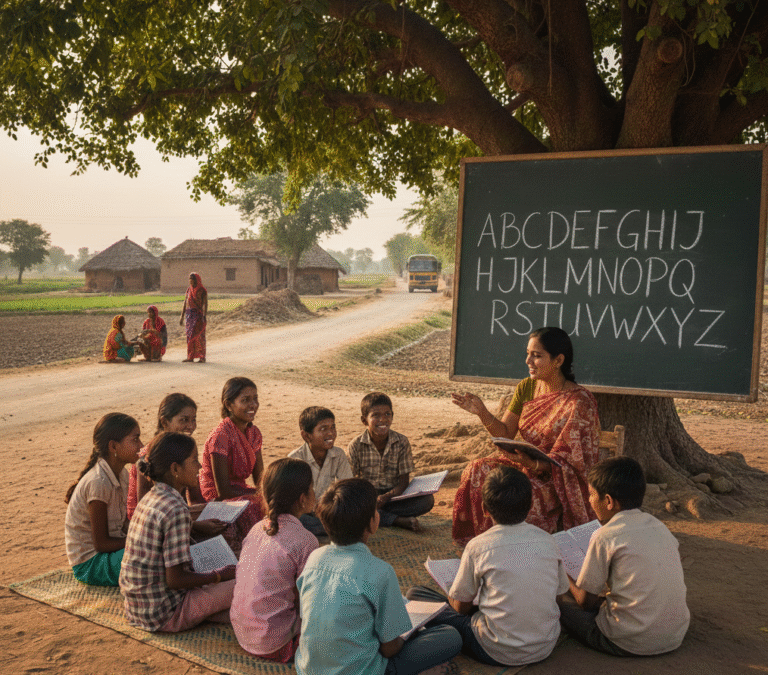
Education is the foundation of a nation’s progress, yet millions of rural children in India still struggle to stay in school. Despite major strides in literacy and access, school dropout rates in rural areas remain a serious concern. Many children leave their studies due to economic hardships, distance, lack of infrastructure, and social pressures. For these children, dropping out means losing the chance to break the cycle of poverty. For the nation, it means losing potential minds that could shape a brighter future. Encouraging rural children to stay in school is not just about providing education it’s about offering hope, opportunity, and equality.
At Flybird Foundation, we believe that every child deserves the right to education and the support needed to complete it. Through awareness drives, community engagement, and educational programs, we strive to keep rural children motivated, supported, and inspired to continue their learning journey.
Before addressing the problem, it’s important to understand why so many children drop out of school in rural India. The reasons are often complex and interconnected.
Some of the most common causes include:
Poverty and Financial Struggles: Many families depend on daily wages, and children are often expected to contribute to household income.
Lack of Infrastructure: Poor school facilities, inadequate classrooms, and lack of toilets discourage attendance, especially for girls.
Long Distances: In many villages, schools are several kilometers away, making travel unsafe or inconvenient.
Gender Discrimination: Girls are often kept at home for domestic work or early marriage.
Lack of Awareness: Parents in rural areas may undervalue education, not realizing its long-term benefits.
These challenges make it difficult for children to stay in school consistently and perform well academically. Addressing them requires a mix of policy support, social awareness, and community participation.
Education is not just about books and classrooms, it’s about transforming lives. When rural children receive quality education, it leads to visible changes in society and economy.
Some key benefits of education in rural areas include:
Breaking the Cycle of Poverty: Educated children are more likely to secure stable jobs and uplift their families economically.
Improving Health and Hygiene: Schools spread awareness about sanitation, nutrition, and health, leading to healthier communities.
Promoting Gender Equality: When girls stay in school, they gain confidence, independence, and a voice in society.
Reducing Child Labour: Education provides an alternative path for children who might otherwise be forced to work.
Building Future Leaders: Educated youth are the backbone of sustainable rural development.
A single educated child can influence an entire community, inspiring others to pursue learning and progress.
Despite awareness and government efforts, several challenges still prevent rural children from continuing their education.
1. Economic Pressure
Many rural families live below the poverty line. When survival becomes the priority, education often takes a backseat. Parents rely on their children to help with farming, household chores, or earning income.
2. Poor School Infrastructure
A lack of clean classrooms, drinking water, and separate toilets for girls can discourage attendance. For many children, going to school becomes a daily struggle rather than an opportunity.
3. Distance and Transportation
In several villages, the nearest school may be miles away. Without safe or reliable transportation, especially for young girls, attending school regularly becomes difficult.
4. Cultural and Social Barriers
Traditional gender roles and early marriages often limit girls’ access to education. Some communities still believe that investing in a girl’s education is unnecessary.
5. Quality of Education
Even when children attend school, poor teaching methods, outdated materials, and untrained teachers can lower motivation and learning outcomes.
At Flybird Foundation, we understand that ensuring education for rural children requires more than building schools; it requires building belief. Our initiatives focus on creating awareness, supporting families, and improving the learning environment.
Our Key Efforts Include:
Awareness Campaigns: Conducting village drives to inform parents about the importance of consistent schooling.
Scholarship Programs: Offering financial support to children from economically weaker backgrounds.
Community Engagement: Working with local leaders and volunteers to encourage school attendance.
Infrastructure Support: Assisting in improving classrooms, sanitation facilities, and learning materials.
Skill and Hobby Programs: Organizing creative workshops to make learning enjoyable and practical.
Through these efforts, we aim to build confidence among children and ensure that dropping out is never their only option.
Encouraging rural children to stay in school requires creative, localized, and community-driven solutions.
Here are some approaches that can make a real difference:
Parent-Teacher Collaboration:
Regular meetings can help parents understand the child’s progress and address attendance issues early.
Mid-Day Meal Programs:
Ensuring nutritious meals at school motivates children to attend regularly while reducing hunger-related distractions.
Girl-Centric Initiatives:
Providing sanitary facilities, bicycles for safe travel, and awareness about gender equality can encourage girls to continue their studies.
Flexible Learning Options:
Evening classes or community learning centers can help children who work during the day.
Incentive-Based Programs:
Distributing free uniforms, books, or attendance-based scholarships can motivate families to prioritize education.
Digital Learning Platforms:
Introducing tablets or mobile-based learning in rural schools can make education engaging and accessible even during difficult times.
Mentorship Programs:
Connecting urban volunteers or educated youth with rural children for guidance and inspiration can boost motivation.
Sustaining education in rural areas cannot be achieved by one group alone it requires collaboration between communities, NGOs, and government agencies.
Government Responsibility: Implementing and monitoring schemes like Sarva Shiksha Abhiyan and Right to Education (RTE) effectively ensures that every child receives free and compulsory education.
Community Involvement: Villagers, parents, and local panchayats can take ownership of school operations and attendance monitoring.
Corporate Social Responsibility: Companies and organizations can invest in building schools, providing scholarships, or supplying digital equipment.
When everyone contributes to the cause of education, the results are sustainable and far-reaching.
Every small step towards keeping a child in school counts. At Flybird Foundation, we’ve witnessed how simple acts of kindness can make life-changing differences.
For example, a rural student who once missed classes due to lack of notebooks now dreams of becoming a teacher, thanks to community support. Such stories remind us that the path to development is built through consistent care, encouragement, and compassion.
Education is not only about literacy, but it’s about dignity, confidence, and empowerment. When children realize that their dreams matter, they start believing in themselves and their future.
The journey to ensure that every rural child stays in school is filled with challenges, but it is also filled with hope. With collective effort, awareness, and compassion, these challenges can be overcome.
By addressing financial struggles, improving infrastructure, and changing mindsets, India can build a generation that is educated, confident, and empowered to lead change.
At Flybird Foundation, we remain committed to this mission to ensure that no child’s education is cut short by circumstance. Because when every child learns, the entire nation grows stronger.
Education lights the path to progress, and keeping rural children in school ensures that the flame of knowledge never fades paving the way for a brighter, more equal India.

Together, we spread hope, inspire change, and shape brighter futures.
Flybird Foundation © All Rights Reserved.