
+91 9008 41 9008
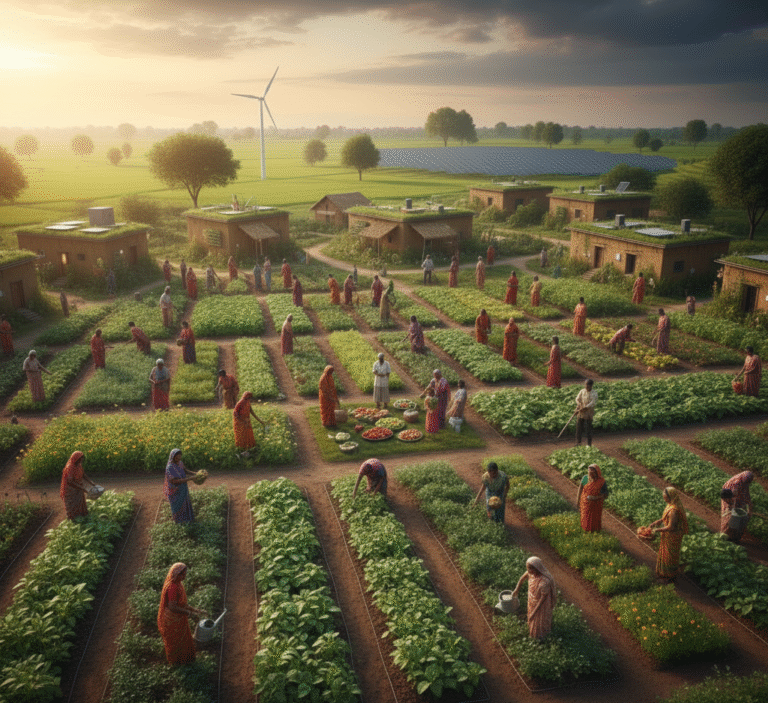
In many corners of India, the idea of a dependable, nourishing meal has slowly become a privilege instead of a guarantee. Rising food prices, shrinking farmlands, unpredictable weather, and widening income gaps have pushed countless families into a state of quiet struggle. In such times, one small yet powerful idea is proving that hope can literally grow from the soil beneath our feet, in community gardens.
These gardens are more than plots of land with vegetables. They are collective efforts that bring people together, turning empty spaces into thriving green zones. They nurture not just vegetables but confidence, unity, and a sense of empowerment. For organisations like Flybird Foundation, they symbolize sustainable development, community participation, and long-term food security for vulnerable families.
A community garden transforms the simple act of growing food into a movement of resilience. It shows that even the smallest steps, a seedling, a handful of compost, a few hours of shared labor, can blossom into reliable nourishment and stronger communities.
Food insecurity has silently gripped urban slums, rural interiors, and even middle-class households. The challenge isn’t always starvation; often, it is lack of access to nutritious, fresh, chemical-free food.
Some contributing factors include:
Rising food inflation pushing families to cheaper, less nutritious alternatives
Urban migration leaving little land for home-grown produce
Climate changes causing crop failures
Increasing dependency on packaged and processed food
Lack of awareness about sustainable food practices
Many households experience what experts call nutritional poverty: full plates, but empty nutrition. Children consume calories but lack vitamins; adults eat meals but lack energy.
In such a scenario, community gardens become a ray of hope, a practical, achievable solution that empowers people to produce their own food rather than depend solely on the market.
A community garden is a shared space where people collectively grow fruits, vegetables, medicinal herbs, and flowering plants. These gardens are usually located in open lands, unused plots, park corners, or designated community spaces.
Typically, a community garden includes:
Shared or individual planting beds
Composting areas
Watering systems
Seed banks
Shade areas or resting spots
Storage for gardening tools
A group of volunteers who maintain the space
But beyond structure, a community garden is a symbol of ownership, a place where people who never had productive land suddenly gain the power to grow their own nourishment.
At a time when the global food system is strained, community gardens offer benefits that stretch far beyond feeding families.
Key reasons they matter:
Access to fresh food: Families get chemical-free vegetables grown with their own hands.
Reducing grocery expenses: Even small gardens can significantly cut monthly costs.
Building food resilience: Communities become less dependent on fluctuating market prices.
Preserving local crops: Gardens often grow native and seasonal plants that supermarkets ignore.
Promoting nutrition: Especially for children and elders who need healthier diets.
Community gardens do not just address hunger; they create healthier lifestyles, teach valuable skills, and rebuild trust among neighbors.
Community gardens are natural social magnets. They create spaces where people interact, collaborate, and share experiences.
Social benefits include:
Strengthened community relationships
Safe gathering spots for families
Opportunities for elders to stay active
Meaningful projects for youth
Inclusion of women in leadership roles
Gardens often transform strangers into a team. A woman from one lane shares seedling tips, a teenager helps with soil preparation, an elder teaches composting, and everyone feels a sense of shared pride.
For communities that face constant struggles with unemployment, poor nutrition, isolation, these gardens become places of belonging, joy, and purpose.
Community gardens heal more than hunger; they heal the environment.
Environmental advantages include:
Improved air quality from increased greenery
Natural cooling of surrounding areas
Reduced soil degradation
Promotion of biodiversity through pollinators
Waste reduction via composting
Encouragement of organic farming practices
When a neighborhood adds a community garden, the entire local ecosystem becomes healthier. Birds, butterflies, earthworms, and beneficial insects return. Spaces once filled with garbage, dust, or dry soil turn into micro-forests of productivity.
Food security means consistent access to affordable, nutritious, safe food. Community gardens strengthen all three pillars:
1. Access:
Families get hands-on access to food crops that grow right in their locality.
2. Availability:
Fresh vegetables are produced regularly, not seasonally.
3. Affordability:
People don’t have to spend large amounts on vegetables, especially leafy greens that spoil quickly.
Additionally, community gardens provide:
Dietary variety: spinach, tomatoes, brinjals, okra, beans, pumpkins, herbs
Better nutrition: higher vitamin retention due to no long-distance transport
Local resilience: communities learn to grow in small spaces, reducing dependency on supply chains
For low-income groups, this can be life-changing.
Even the most meaningful projects face hurdles. Starting a community garden may involve:
Common challenges:
Finding suitable land
Limited water supply
Lack of gardening knowledge
Conflicts in shared responsibilities
Irregular participation
Shortage of seeds or gardening tools
Practical solutions include:
Partnering with local authorities for land access
Rainwater harvesting or low-cost drip systems
Gardening workshops
Creating a structured schedule for maintenance
Crowdfunding seeds and basic tools
Building a committee for shared responsibility
With the right guidance, something Flybird Foundation consistently provides, even small communities can overcome these obstacles.
Flybird Foundation believes that sustainable change begins at the grassroots. Through its community-first approach, the foundation conducts:
Awareness Drives
Explaining the importance of fresh food, soil health, and local agriculture.
Training Workshops
Teaching families how to plant, water, compost, and maintain crops.
Youth Involvement Programs
Encouraging young volunteers to adopt and manage garden spaces.
Resource Support
Providing seeds, tools, saplings, and basic equipment.
Community Mobilization
Helping residents come together to plan, plant, and manage gardens collectively.
By empowering people with knowledge and tools, Flybird Foundation ensures these gardens thrive long after the initial set-up phase.
The next generation of rural India is more aware, more connected, and more ambitious than ever. But ambition needs direction.
Financial literacy helps young villagers learn:
How to plan careers
How to save early
How to avoid risky spending
How to start small businesses
How to use digital tools confidently
When rural youth understand finance, they become future-ready decision makers who uplift their families and communities.
1. Identify a Suitable Land Area
Even 200 sq. ft. can support multiple families with leafy vegetables.
2. Gather Interested Neighbors
Create a group willing to contribute time and effort.
3. Plan Crops Based on Climate
Grow local varieties that require minimal maintenance.
4. Set Up Composting Units
Kitchen waste becomes free, organic fertilizer.
5. Divide Responsibilities
Assign roles: watering, cleaning, harvesting, and tool care.
6. Ensure Sustainability
Use rainwater harvesting, rotate crops, and maintain soil health.
Even if you start small, consistency will create a thriving garden.
Educational institutions are ideal places for community gardens.
Benefits include:
Practical learning about plants, soil, and ecosystems
Hands-on lessons about sustainability
Nutrition awareness among students
Platforms for science projects
Opportunities for nature-based extracurricular activities
A school garden teaches values that textbooks cannot — patience, teamwork, environmental responsibility, and gratitude for food.
You don’t need to be a gardener to support this initiative. You can:
Volunteer at a local garden
Donate seeds, tools, or compost
Offer space if you own land
Participate in clean-up drives
Support Flybird Foundation’s community programs
Encourage children and elders to join gardening activities
Every small effort contributes to big change.
At the heart of Flybird Foundation’s mission is a simple belief: communities grow stronger when they grow together.
Community gardens align with the foundation’s long-term goals:
Promoting sustainable living
Reducing dependence on market uncertainties
Empowering women and youth
Creating green, self-sufficient neighbourhoods
Building healthier future generations
Flybird Foundation sees gardens not just as food sources but as tools of empowerment, education, and resilience.
Community gardens also support financial stability. When harvests are abundant, communities can:
Sell vegetables at local markets
Exchange produce with neighbours
Start women-led micro-businesses
Reduce overall household expenses
What begins as a simple garden can eventually grow into a community-run economic ecosystem.
Gardening is deeply therapeutic. Studies show that even 20 minutes of tending to plants can reduce stress, anxiety, and mental fatigue.
For elders, community gardens offer:
Purpose
Companionship
Physical activity
For children, they offer:
Creativity
Curiosity
A break from screens
For families, they offer peaceful moments that reconnect them with nature and with each other.
Community gardens are powerful reminders that big solutions can emerge from simple ideas. A seed planted with hope can grow into nourishment, savings, unity, and strength. For communities struggling with food insecurity, these gardens are more than agricultural spaces — they are symbols of self-reliance.
Through its dedicated efforts, Flybird Foundation continues to support and encourage community gardens across regions, empowering families to create sustainable, nutritious futures. Every plot of land turned into a garden is a step toward healthier communities and a more secure tomorrow.
By participating, supporting, or simply spreading awareness, you become part of this growing movement, a movement where food security begins with soil, sunlight, and shared hands.

Together, we spread hope, inspire change, and shape brighter futures.
Flybird Foundation © All Rights Reserved.