
+91 9008 41 9008
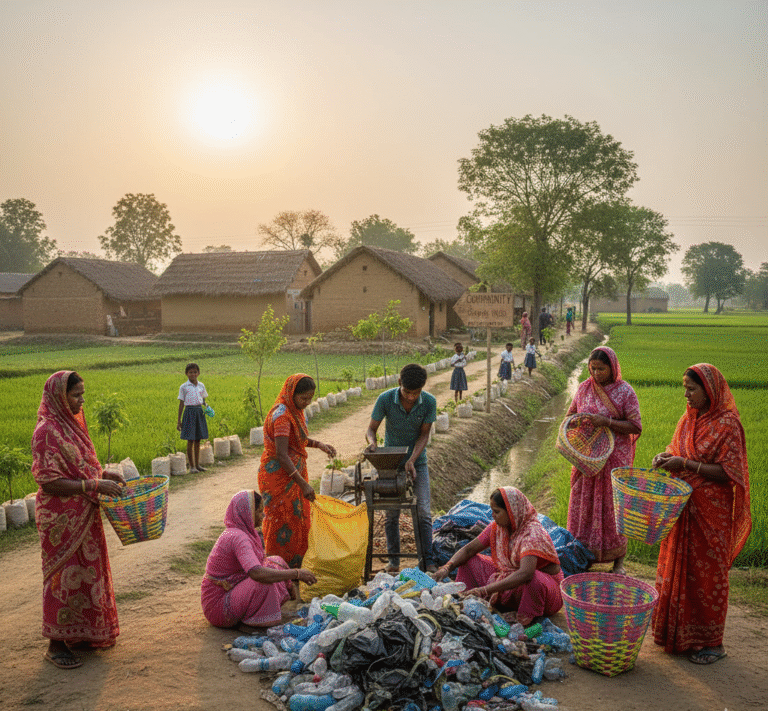
Across fields, riverbanks, village lanes, and farmlands, plastic waste continues to spread quietly. What once were clean landscapes are now dotted with bottles, wrappers, and disposable bags that do not disappear with time. Plastic pollution is not loud; it doesn’t scream for attention. It lies silently on the ground, but its impact is anything but silent. It poisons soil, contaminates water, harms livestock, and damages the environment that rural communities depend upon every single day.
Rural India has always been deeply connected with nature. Here, life flows with the rhythm of seasons, harvests, and traditions. That is why rural communities are not only victims of plastic pollution — they are also the strongest force capable of combating it. With awareness, unity, and collective action, villages can lead the way in building a cleaner, greener, and safer future.
Plastic pollution is often underestimated because it doesn’t cause instant visible harm. Yet, every piece of plastic carries long-term consequences that silently damage the ecosystem.
Soil Damage:
Plastic blocks soil pores, preventing air and water from reaching plant roots. Over time, farmland fertility decreases, affecting crop quality and yield. Microscopic plastic fragments mix with soil, reducing its ability to regenerate naturally.
Water Contamination:
Plastics thrown near ponds, rivers, or wells gradually break into microplastics, polluting water bodies. These tiny fragments cannot be filtered easily and enter the groundwater system, affecting drinking water sources for entire villages.
Impact on Animals and Livestock:
Cows, goats, and other animals often consume plastic while grazing near landfills or roadsides. This leads to severe digestive blockages, illness, and even death. The problem grows because plastic stays inside their stomachs for years.
Long-term Ecological Imbalance:
Burning plastic releases toxic fumes that settle on crops, fruits, and farmland. These toxins eventually enter the food cycle, risking human health. What seems like a small plastic bag becomes a long-term environmental threat.
Rural communities possess natural strengths that make them capable of driving large-scale environmental change. Here’s why:
Strong social unity allows villagers to adopt common practices together.
Traditional eco-friendly habits already exist and can be revived.
Collective decision-making makes awareness spread faster.
Local leadership systems help mobilize people quickly.
Deep connection with nature makes environmental awareness meaningful and emotional.
When rural communities decide to act, change becomes visible at every doorstep.
Awareness is the first turning point in the fight against plastic pollution. When villagers understand how plastic harms their soil, water, crops, and future generations, they begin to think differently. This shift in mindsets is powerful enough to spark community-wide action.
Awareness develops a shared responsibility:
Villagers begin noticing harmful habits that were once ignored.
Discussions around plastic waste take place in homes, tea stalls, and panchayat meetings.
People realize how simple daily decisions affect the environment.
Solutions start emerging naturally when everyone understands the problem.
Awareness does not just inform — it connects people through a common purpose. Once communities understand the seriousness of plastic pollution, they collectively take steps to eliminate it.
Educates families about hidden dangers
Many do not know how plastic harms soil or livestock. Awareness brings clarity.
Encourages healthier habits
People begin carrying cloth bags, avoiding disposables, and reducing waste.
Reduces burning of plastic
Villagers understand the health risks of inhaling toxic fumes.
Improves waste segregation
Awareness helps families separate biodegradable and non-biodegradable waste.
Motivates community-led cleanups
Once people understand the impact, they willingly participate in cleanup drives.
1. Village Clean-Up Drives
encouraging regular cleanups
involving youth groups
fostering community responsibility
These drives not only remove existing waste but also make people conscious of not littering again.
2. Plastic-Free Market Days
discouraging the use of single-use plastic in weekly markets
promoting cloth, jute, and woven baskets
making sellers and buyers part of the solution
A single weekly plastic-free market day drastically reduces overall waste.
3. Waste Segregation Awareness
teaching families to separate wet and dry waste
encouraging labelled bins in homes and schools
helping children understand the basics of sustainable living
Segregation is the foundation of proper waste management.
4. Recycling and Reuse Workshops
demonstrations on repurposing plastic waste
creating useful household items
promoting reduction of new plastic consumption
Such workshops introduce creativity and sustainability at the same time.
5. Involving Local Leaders & NGOs
gaining structured guidance
receiving training on waste management practices
building long-term environmental habits
Local leadership helps turn initiatives into lasting systems.
Children are powerful messengers of environmental awareness. Their enthusiasm influences entire families.
forming eco-clubs and school cleanliness teams
organising competitions, drawings, and slogans on plastic reduction
teaching principles of waste segregation
inspiring parents to adopt eco-friendly habits through daily conversations
When young students speak about reducing plastic, adults listen.
Rural communities already possess time-tested habits that naturally reduce plastic waste. These practices can be revived and modernized to create long-term solutions:
Cloth bags and woven baskets for shopping were always the norm.
Clay pots (matkas), metal boxes, and steel containers reduce reliance on plastic storage.
Leaf plates, natural packaging, and reusable containers offer biodegradable alternatives.
Community kitchens and shared utensil systems minimize the need for disposable plates and cups.
These traditions reflect sustainable living that passed through generations — and they hold the key to a plastic-free future.
The Flybird Foundation firmly believes that environmental protection begins at the grassroots level. Through various community-oriented activities, the foundation has been actively encouraging rural participation in combating plastic pollution.
Our environmental initiatives include:
conducting awareness drives that explain the dangers of plastic pollution
organising community workshops on waste segregation
holding cleanup campaigns in villages and along water bodies
running school programs that teach children about eco-friendly living
offering guidance on waste management methods for rural households
The foundation works closely with community members, ensuring that awareness does not stop at information, but transforms into long-lasting habit change.
Small household-level transformations make the biggest impact. Awareness helps families adopt simple yet effective changes that protect the environment and improve overall well-being.
These shifts include:
storing grains and spices in metal or glass containers
carrying cloth bags during routine purchases
avoiding plastic cups and plates at small gatherings
reducing dependence on sachets, packets, and disposable items
using natural alternatives such as bamboo, jute, or clay
When families change their habits, the entire village ecosystem becomes healthier, cleaner, and more sustainable.
Use cloth or jute bags for daily shopping.
Stop burning plastic waste.
Segregate wet and dry waste properly.
Reduce single-use plastic products.
Reuse old containers instead of buying new plastic ones.
Participate in village cleanup activities.
Teach children about sustainable habits.
These steps appear small, but when followed collectively, they create powerful environmental transformations.
Change often begins in the smallest places. When rural communities commit to reducing plastic pollution, they influence nearby towns, districts, and even cities. Rural action becomes a model for sustainable living across regions.
Villages that adopt plastic-free practices inspire neighbouring communities.
Grassroots environmental movements attract attention from larger organizations.
Community-led awareness creates deep and lasting environmental change.
A plastic-free village becomes a symbol of responsibility and progress.
The transformation of rural communities shapes the future of environmental protection in the entire country. When villages lead, the world follows.
Plastic pollution may seem overwhelming, but change begins with awareness, and awareness begins with us. Rural communities possess the strength, unity, and traditional wisdom needed to lead the fight against plastic waste. Through collective responsibility, consistent awareness, and meaningful actions, villages can rebuild their connection with nature and protect the land that sustains them.
A cleaner future is not a distant dream. It is a choice made every day by families, schools, and communities. With every plastic-free habit, every cleanup drive, and every shared awareness message, rural communities move one step closer to creating an environment where future generations can breathe, grow, and thrive without the shadow of pollution.
Together, we can build villages that stand as powerful examples of sustainable villages that lead the way toward a greener tomorrow.

Together, we spread hope, inspire change, and shape brighter futures.
Flybird Foundation © All Rights Reserved.