
+91 9008 41 9008
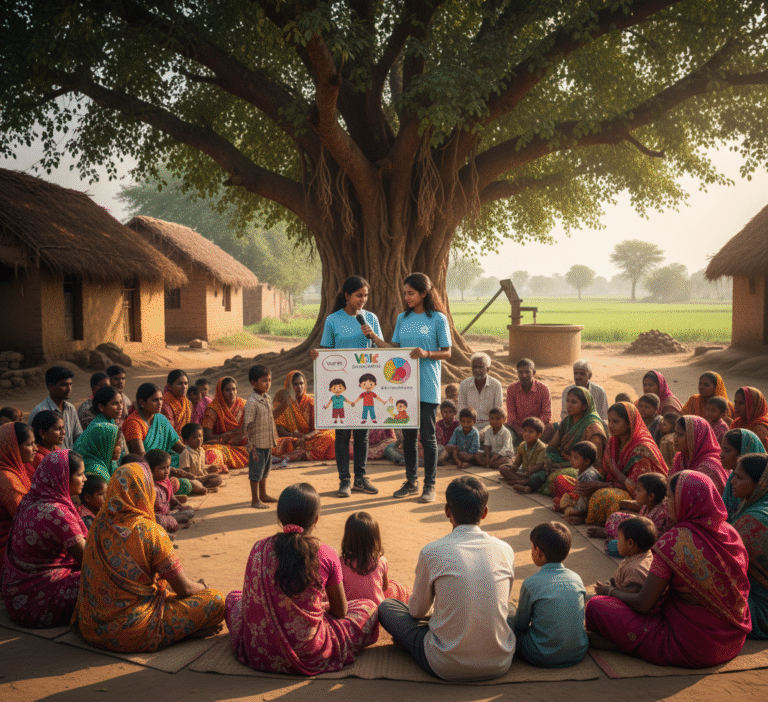
Every child arrives in this world with untapped potential, limitless imagination, and a heart untouched by fear. Yet, millions of these young souls grow up in conditions that silence their voices and steal their innocence. Child rights are not privileges granted by society; they are the foundation on which children build their lives, dreams, and identities. When these rights are violated, children lose more than safety; they lose opportunities, dignity, and a fair chance at the life they deserve.
At Flybird Foundation, we believe that protecting a child’s rights is not only a moral duty but a commitment toward building a more compassionate world. This blog dives deep into why child rights awareness is crucial, how communities can take action, and what we can collectively do to ensure that even the quietest child feels heard.
Children often endure realities they cannot express. Their pain hides behind forced smiles, quiet stares, or an unusual silence. Many children experience:
Child labor disguised as “helping the family”
Domestic violence they are too scared to talk about
Neglect disguised as “tough upbringing”
Emotional abuse masked as discipline
Bullying that goes unnoticed
Learning disabilities confused for bad behavior
Children rarely articulate their fears. Their silence is their only language. Without awareness, society misreads these signals and unintentionally deepens their struggles.
The issue is not that children don’t want to speak — the issue is that adults often don’t know how to listen.
Awareness is the first step toward prevention. When people understand what constitutes a violation, they can identify the signs early and intervene responsibly.
Child rights awareness helps communities:
Recognize unsafe environments
Challenge traditional harmful practices
Support education and emotional development
Protect children from exploitation
Empower parents with knowledge
Encourage safe spaces at home and school
Strengthen reporting mechanisms
A society aware of child rights becomes a society capable of protecting them.
Understanding these rights helps adults realize how their everyday actions impact a child’s development.
Right to Survival
Basic needs like nutrition, shelter, clean water, and healthcare form the first step toward a healthy life.
Right to Protection
Children must be shielded from violence, trafficking, exploitation, and any verbal, emotional, or physical harm.
Right to Development
Education, creativity, emotional growth, and opportunities to learn shape a child’s future.
Right to Participation
Children have the right to express themselves, share opinions, and be involved in decisions affecting their lives.
These rights ensure that every child grows in an environment that nurtures their full potential.
Child rights violations are often so common that they become normalized:
A girl forced to drop out of school for household work
A young boy enduring physical punishment because “he must be disciplined”
A child missing meals due to poverty
A teenager shamed for asking questions
A student bullied in school with no adult intervention
A toddler left unsupervised in unsafe surroundings
These aren’t isolated events — they are everyday realities for many children in rural and urban areas.
Awareness ensures these harmful patterns are broken.
Children who grow without proper support or protection often carry their wounds into adulthood. Lack of awareness leads to:
Poor physical health
Emotional trauma
Low self-esteem
Reduced academic performance
Social withdrawal
Increased vulnerability to exploitation
Difficulty forming healthy relationships later in life
Protecting child rights means safeguarding the emotional and psychological health of future generations.
Parents are the primary protectors. When they understand child rights, children grow with security and confidence.
Parents can contribute by:
Providing a safe home environment
Encouraging open conversations
Observing behavioral changes
Prioritizing education
Supporting emotional well-being
Teaching children about consent and safety
A confident parent raises a confident child.
Schools play a transformative role in protecting children. A school that respects child rights becomes a foundation of lifelong values.
Schools must ensure:
Zero tolerance for bullying
Equal opportunities for all students
Adequate emotional and academic support
Encouraging creativity rather than rote pressure
Identifying early signs of distress
A child who feels safe in school thrives everywhere.
Children grow within communities — and these communities must understand their responsibility.
Community awareness leads to:
Reduced child labor
Safe public spaces
Active reporting of exploitation
Guidance for struggling families
Encouragement of child-friendly practices
When a community watches out for its children, every family benefits.
Flybird Foundation works to ensure children grow in environments that support their dreams rather than restrict them. Our efforts include:
Interactive sessions for parents, communities, and children on safety, rights, and emotional strength.
Sessions on bullying prevention, confidence-building, and personal safety.
Promoting early healthcare, providing nutritional awareness, and addressing malnutrition issues.
Helping families understand the importance of emotional and educational stability.
Bringing together local leaders, teachers, and families to create sustainable protective networks.
Every campaign is a step toward a future where children grow fearlessly.
A child’s brain develops faster in the first six years than at any other time. This phase defines:
Cognitive skills
Emotional patterns
Social behavior
Learning abilities
Language development
When caregivers lack awareness, children miss out on critical developmental milestones.
For example, constantly scolding a child in early years builds fear, not discipline. Ignoring their curiosity kills creativity. Providing no early learning makes the school journey harder.
Awareness in early development protects not only a child’s present but also their future learning path.
In an age where children use phones, tablets, and the internet from an early age, digital rights are now an essential part of child rights.
Digital safety includes:
Preventing cyberbullying
Monitoring screen time
Educating children about online strangers
Teaching safe internet behavior
Blocking inappropriate content
Awareness around digital safety protects children from invisible threats that often go unnoticed even by adults.
Mental health is often ignored in children because adults assume “kids don’t understand stress.” The truth is that children feel emotions deeply but usually struggle to describe them.
Common signs of emotional discomfort include:
Sudden silence
Aggression
Fearfulness
Avoiding school
Loss of interest in activities
Difficulty sleeping
Over-attachment or detachment
Awareness helps adults recognize these signs early and provide support before trauma turns into long-term psychological impact.
Protecting a child’s mind is as important as protecting their safety.
A child’s environment shapes their behavior, confidence, and overall safety. Whether at home, school, or in the community, a supportive physical environment protects children from accidents, fear, and emotional insecurity.
A safe environment includes:
Clean and well-lit surroundings
Childproofed homes to avoid injuries
Safe school infrastructure with proper sanitation
Play areas free from sharp or hazardous objects
Communities with safe roads, crossings, and public spaces
Homes that maintain boundaries and privacy for children
When children grow in spaces where they feel physically safe, they develop better emotional stability, improved learning capacity, and healthier social skills.
Safety isn’t merely about preventing harm it’s about creating an atmosphere where children feel free to explore, question, and grow without fear. A child who feels safe is a child who thrives.
Education does more than teach alphabets and numbers — it equips children with the skills they need to navigate life with confidence. Awareness about child rights is strengthened when children themselves understand their value, their boundaries, and their capabilities.
Key life skills that empower children include:
Communication skills
Decision-making and problem-solving
Recognizing right from wrong
Self-awareness and emotional control
Basic financial understanding
Respecting others and understanding diversity
Learning to ask for help when needed
Life skills help children face challenges, express themselves clearly, and understand their rights in different situations. A child who is equipped with knowledge becomes harder to exploit, easier to protect, and more confident in building their future.
Empowering children through skills and education creates a generation that is aware, responsible, and capable of safeguarding their own rights and the rights of others.
Children may not always express their fears, but they experience them deeply. They may not fight for their rights, but they deserve every right fully. Child rights awareness is not just a social need; it is a moral responsibility that shapes the future of families, communities, and nations.
When we protect children, we protect hope itself. When we defend their rights, we defend humanity. When we amplify their small voices, we strengthen the voice of tomorrow.
Flybird Foundation remains committed to ensuring that every child grows with dignity, support, and love. Together, let us stand as the voice for those who cannot speak yet because their dreams, safety, and innocence depend on us.

Together, we spread hope, inspire change, and shape brighter futures.
Flybird Foundation © All Rights Reserved.