
+91 9008 41 9008
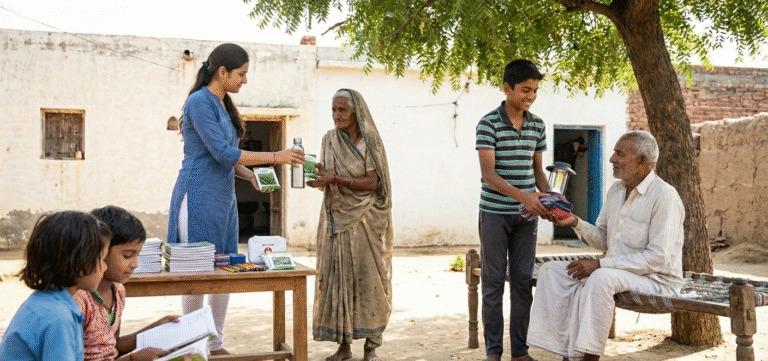
In today’s fast-paced and competitive world, compassion often feels like a forgotten virtue. Yet, it remains one of the strongest forces capable of transforming individuals, communities, and societies. To build a truly inclusive, peaceful, and progressive world, we must first build a culture of compassion, one that values kindness, understanding, and empathy above all else.
Compassion is not limited to charity or occasional good deeds. It’s a way of life, a continuous commitment to understanding others’ struggles and acting to ease them. When compassion becomes a shared social value, it influences how people work, lead, and coexist. It turns divisions into unity, fear into trust, and indifference into care. But the real question is: where do we begin?
Compassion goes beyond sympathy or feeling sorry for someone. It is the conscious act of empathizing with others and taking steps to help them. It’s the ability to look beyond our own comfort and recognize the humanity in every individual.
At its heart, compassion is about connection, realising that every person, no matter their background, has value and deserves dignity. It invites us to see beyond differences and to treat others with patience, respect, and love.
When people and institutions adopt compassion as a guiding principle, they build environments where everyone feels seen, heard, and supported.
In an age defined by digital connection but emotional distance, compassion has become a necessity. Social stress, economic inequality, and environmental challenges have made the world more divided. What we need today is not more wealth or technology alone but more understanding and humanity.
A compassionate culture creates:
Stronger communities where people support each other during challenges.
Peaceful societies that resolve conflicts through dialogue and care.
Inclusive workplaces that value employees’ well-being as much as productivity.
Healthier relationships are built on empathy rather than competition.
Ultimately, compassion fuels social progress by reminding us that true success lies in collective well-being, not individual achievement.
Building a culture of compassion begins with small, intentional actions. Change doesn’t happen overnight; it begins in hearts, homes, schools, and communities.
A. Start with Self-Compassion
Before showing compassion to others, we must learn to be kind to ourselves. Practicing self-compassion means accepting imperfections, forgiving our mistakes, and maintaining emotional balance. When we treat ourselves with care, we are better equipped to extend the same kindness to others.
B. Nurture Compassion in Families
Home is the first school of empathy. Parents, elders, and siblings shape how young minds view others. Encouraging respect, gratitude, and helping behavior at home lays the foundation for a compassionate society.
C. Teach Compassion in Schools
Education must go beyond academics. Introducing emotional learning and community service in schools helps children understand empathy and social responsibility early in life. Schools can become spaces that nurture both intelligence and kindness.
D. Practice Empathy in Workplaces
Workplaces often mirror society. When leaders prioritize empathy, employees feel valued, motivated, and connected. Compassionate work cultures improve teamwork, reduce stress, and enhance creativity, proving that kindness is good for both people and productivity.
E. Engage in Community Action
Local volunteering, social drives, or simply helping a neighbor these small actions create ripples of compassion. Communities that practice collective care become stronger, safer, and more resilient.
Education plays a vital role in shaping compassionate citizens. When students learn about kindness, ethics, and humanity alongside science and mathematics, they grow up to be more balanced individuals.
Awareness campaigns, storytelling, and interactive programs can help people understand the importance of empathy. The more we discuss compassion, the more it becomes a natural part of social behavior.
Organizations, too, can organize compassion workshops or social responsibility programs to remind people that professional growth and emotional intelligence can go hand in hand.
At Flybird Foundation, compassion is not just a word; it’s a mission. Every initiative undertaken by the Foundation begins with the belief that small acts of care can transform lives.
Through education drives, women empowerment programs, health awareness campaigns, and environmental activities, the Foundation ensures that compassion is woven into every effort. Each initiative is designed not only to help communities but also to inspire individuals to care, share, and give back.
Whether it’s supporting a child’s education, organizing wellness camps, or promoting social responsibility among citizens, the Foundation stands as a beacon of what compassion in action truly looks like. By focusing on human connection, it brings warmth and empathy to the heart of community development.
A compassionate society begins with compassionate communities. When people unite for the well-being of others, compassion becomes a shared habit.
Here are a few ways communities can cultivate compassion collectively:
Organize social service events: Cleanliness drives, food distribution, or health check-up camps bring people together for a cause.
Create support networks: Neighborhood groups that assist the elderly, differently-abled, or underprivileged families.
Celebrate kindness: Recognizing acts of compassion encourages more people to contribute.
Collaborate with local NGOs: Working with foundations and civic bodies helps sustain long-term compassionate programs.
Such activities create trust and solidarity, replacing indifference with involvement.
Leaders hold the power to shape culture, and compassionate leadership is one of the most effective tools for lasting impact. A compassionate leader listens, understands, and acts with fairness.
In governments, compassionate policies uplift the poor and protect the vulnerable. In businesses, compassionate leaders ensure ethical practices and employee welfare. In social institutions, compassion fuels initiatives that heal, empower, and educate.
Leadership driven by empathy not only creates better results but also earns respect, loyalty, and long-term harmony.
Despite its importance, compassion sometimes struggles to find space in a world driven by self-interest. Barriers like social bias, competition, and emotional fatigue can reduce empathy.
To overcome these obstacles, society needs to:
Encourage mindfulness and emotional well-being.
Promote dialogue instead of judgment.
Recognize that compassion is not weakness, it’s strength.
Support people in distress instead of blaming or ignoring them.
When individuals and organizations commit to these values, compassion can flourish even in challenging environments.
A compassionate culture extends far beyond emotional well-being; it drives social and global progress. When nations adopt policies rooted in empathy, they reduce inequality, promote peace, and safeguard human rights.
Compassionate societies also care for the environment, animals, and future generations. They understand that everything in the world is interconnected, and that real progress comes from nurturing life in all its forms.
By prioritizing compassion, the world can move closer to the ideals of equality, sustainability, and collective happiness.
Building a culture of compassion begins with one simple act: choosing kindness. Every word, gesture, and decision rooted in empathy has the power to shape a better world. Compassion doesn’t need wealth or authority; it only needs willingness.
When individuals, communities, and organizations come together to care for one another, they create more than just change; they create hope.
Flybird Foundation continues to lead by example, proving that compassion is not just an emotion, but a way forward. A compassionate culture doesn’t happen overnight, but with every heart that chooses understanding over indifference, we move one step closer to a more humane and harmonious world.

Together, we spread hope, inspire change, and shape brighter futures.
Flybird Foundation © All Rights Reserved.