
+91 9008 41 9008
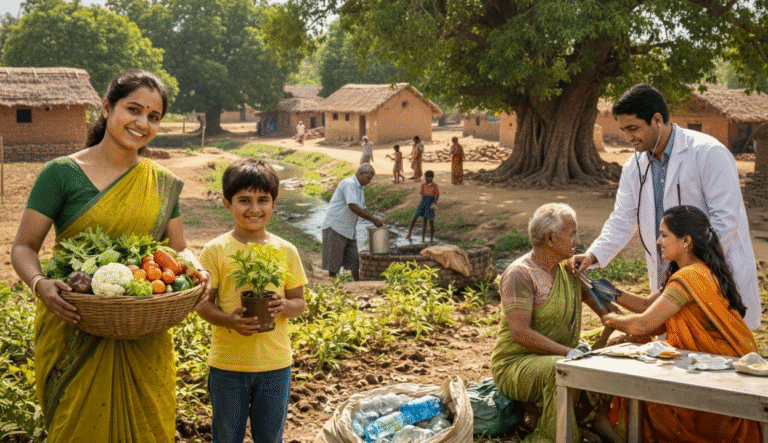
When we speak about health, we often think of hospitals, medicines, and diet plans. Yet, the greatest medicine for humanity has always surrounded us, the air we breathe, the water we drink, and the soil beneath our feet. A clean environment is not a luxury; it’s the foundation of human survival. Without it, even the best healthcare systems can’t ensure lasting wellness.
The connection between environment and health runs deep. Polluted air leads to respiratory illnesses, unsafe water spreads infections, and unclean surroundings invite countless diseases. On the other hand, a clean, green, and sustainable environment nurtures the body and calms the mind. This interdependence is at the heart of preventive healthcare, and it is here that the mission of the Flybird Foundation shines brightly.
The environment influences every aspect of our health. From the quality of air and water to the availability of nutritious food, our surroundings directly determine how we live and how long we live.
According to global health studies, nearly one in every four deaths worldwide is linked to environmental factors. Air pollution, contaminated water, poor sanitation, and exposure to harmful chemicals are major contributors. These are not distant problems; they affect millions of people every day, particularly in developing nations like India.
The truth is simple: when the environment is sick, so are we. Protecting nature is, therefore, not just an ecological responsibility but a health imperative.
Air Pollution – The Silent Killer
Air pollution is one of the world’s most serious environmental health risks. Inhaling polluted air causes respiratory diseases like asthma, bronchitis, and lung cancer. Long-term exposure to poor air quality also affects the heart, brain, and immune system.
Water Contamination – A Hidden Threat
Unsafe drinking water carries bacteria, viruses, and harmful chemicals that cause diseases such as cholera, diarrhoea, and typhoid. In many rural regions, lack of clean water remains one of the leading causes of child mortality.
Waste and Sanitation Issues
Improper waste management and open dumping lead to the spread of mosquitoes, flies, and rodents, which transmit infections like dengue, malaria, and chikungunya. Maintaining cleanliness in communities is one of the simplest yet most powerful forms of disease prevention.
Climate Change and Health
Rising temperatures and changing weather patterns are leading to more heat-related illnesses, vector-borne diseases, and food insecurity. Climate change isn’t just an environmental issue, it’s a growing public health emergency.
Deforestation and Loss of Natural Balance
Forests regulate oxygen, water cycles, and biodiversity. Their destruction leads to soil erosion, water scarcity, and increased carbon emissions, all of which disturb ecological stability and impact human health directly.
A clean environment is the first line of defense against disease. It reduces exposure to harmful pathogens, strengthens immune health, and supports mental and physical well-being. Preventive healthcare and environmental care are deeply connected in the following ways:
Cleaner Air Means Healthier Lungs: Fresh air lowers respiratory illnesses and boosts overall vitality.
Safe Water Prevents Infections: Clean drinking water eliminates countless waterborne diseases.
Waste Management Controls Disease Spread: Clean surroundings prevent vector-borne illnesses.
Green Spaces Reduce Stress: Nature improves mental health, reduces anxiety, and enhances concentration.
Healthy Ecosystems Support Food Security: Pollution-free soil and water help produce safe, nutritious food.
In short, a clean environment lays the groundwork for every other form of healthcare.
While governments and organizations create large-scale environmental policies, true change begins at the community level. Each household, school, and workplace has a part to play.
Waste Segregation: Separating biodegradable and non-biodegradable waste helps improve recycling and reduces land pollution.
Tree Plantation: Planting trees purifies air, prevents soil erosion, and contributes to climate balance.
Clean Water Initiatives: Conserving water, maintaining local water sources, and ensuring proper filtration can make a huge difference.
Community Cleanliness Drives: Regular cleaning activities and awareness sessions promote hygiene and shared responsibility.
Eco-Friendly Lifestyles: Reducing plastic use, conserving energy, and embracing sustainable habits all contribute to better community health.
When people take ownership of their surroundings, they don’t just clean their environment; they protect their future.
The Flybird Foundation recognizes that protecting health begins with protecting nature. Its environmental programs are built on the belief that a clean environment leads to healthy communities and a sustainable planet.
Through various on-ground activities, the foundation strives to restore the balance between people and the planet. Some of its key initiatives include:
Tree Plantation Drives: The foundation regularly organizes tree plantation events in schools, parks, and public spaces to promote clean air and environmental awareness.
Cleanliness and Sanitation Campaigns: Volunteers engage in drives to clean public areas, promote waste segregation, and spread hygiene education in rural and semi-urban zones.
Water Conservation Projects: The foundation works to create awareness on rainwater harvesting, water-saving methods, and the importance of preserving local water bodies.
Educational Workshops: Interactive sessions are conducted to educate children and families about the connection between a clean environment and good health.
Plastic-Free Awareness Campaigns: The foundation advocates for reducing single-use plastics and encourages eco-friendly alternatives in daily life.
Each of these efforts is more than just an activity — it’s a movement toward a cleaner, greener, and healthier India.
It’s not only our physical health that benefits from a clean environment. Studies have shown that people who spend more time in natural, green surroundings experience less stress, better focus, and improved mental wellness.
Pollution and environmental degradation often lead to anxiety, irritability, and mental fatigue. In contrast, green landscapes, clean air, and open spaces inspire positivity and peace. Flybird Foundation’s environmental campaigns often emphasize this emotional link — reminding people that caring for the planet is also an act of caring for oneself.
Sustainable change starts with awareness. When individuals understand the direct link between environment and health, they begin to act responsibly.
The Flybird Foundation regularly conducts environmental education programs in schools, communities, and workplaces. These sessions teach people about pollution control, waste management, and personal hygiene. By educating children, the foundation ensures that the message of environmental care continues for generations.
Awareness builds empathy, and empathy builds action. When people understand that every plastic bottle, every tree planted, and every clean corner contributes to someone’s health, they naturally become agents of change.
Transforming the environment may seem like a massive challenge, but it begins with small, consistent steps. Simple actions such as:
Turning off lights when not needed
Using reusable bottles and bags
Planting even one tree per family
Avoiding littering
Participating in community cleanups
These seemingly small efforts multiply into large-scale change when adopted collectively. Each person’s contribution counts, and when entire communities come together, transformation becomes unstoppable.
A clean environment is not just about health; it’s about survival. It ensures food security, economic growth, and social stability. The Flybird Foundation envisions a future where every individual lives in harmony with nature, where development and sustainability walk hand in hand.
Through continuous environmental and health-related programs, the foundation aims to create a world that values nature as much as technology, compassion as much as progress, and prevention as much as cure.
A cleaner and healthier environment can only be achieved when collective efforts come together. Recognizing this, Flybird Foundation actively collaborates with schools, local authorities, NGOs, and resident groups to create long-term environmental change. These partnerships help extend the foundation’s reach beyond individual campaigns, transforming awareness into sustained community action.
Through joint cleanliness drives, eco-clubs in schools, and public awareness rallies, the foundation encourages people of all ages to participate in maintaining cleaner surroundings. Such collaborations not only improve local hygiene but also inspire civic pride and a sense of shared responsibility. When every neighborhood becomes a partner in change, the dream of a healthy, pollution-free society begins to take shape.
Health and environment are two sides of the same coin; one cannot exist without the other. A clean environment supports every heartbeat, every breath, and every step we take toward a better life. It provides the foundation for preventive healthcare and strengthens the overall well-being of humanity.
The Flybird Foundation stands as a symbol of this vital connection. Its efforts to create cleaner surroundings, promote awareness, and inspire environmental responsibility are not just acts of charity, they are acts of hope.
By protecting the planet, we protect ourselves. By nurturing nature, we nurture life. Together, let us pledge to keep our environment clean, our hearts compassionate, and our world healthier for today, and for generations yet to come.

Together, we spread hope, inspire change, and shape brighter futures.
Flybird Foundation © All Rights Reserved.