
+91 9008 41 9008
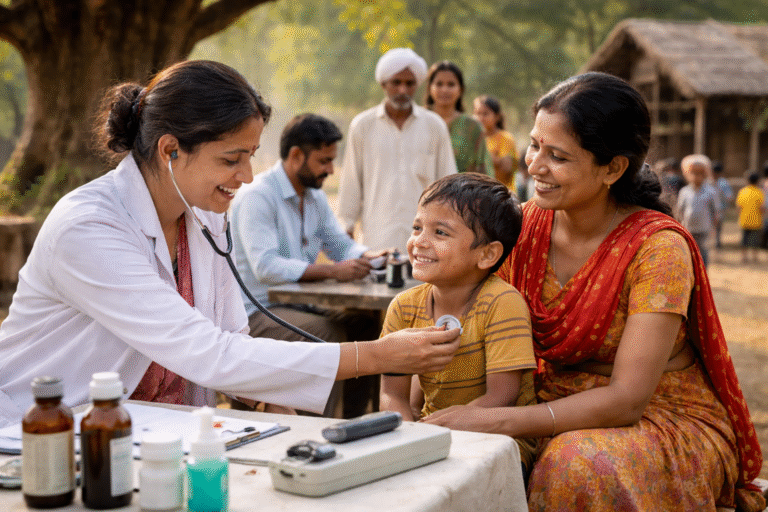
Healthcare is often seen as something we turn to only when illness strikes, a hospital visit, a doctor’s appointment, or a sudden emergency. But true health doesn’t begin in the hospital; it begins long before that in the choices we make every day. Preventive healthcare is not just about avoiding disease; it’s about building a stronger, healthier community that thrives, not merely survives.
In a fast-paced world where stress, poor diets, and lifestyle diseases are rising sharply, preventive healthcare has become a necessity, not an option. It means identifying health risks early, adopting healthy habits, and making wellness a lifelong priority. And when societies invest in prevention, they save lives, reduce costs, and create a more productive and happier population.
Preventive healthcare focuses on taking proactive steps to maintain well-being and prevent diseases before they occur. It involves regular medical checkups, screenings, vaccinations, a nutritious diet, exercise, and health education. The idea is simple: catch potential health problems early and address them before they turn serious.
Preventive healthcare can be divided into three levels:
Primary prevention – Measures vaccinations, physical activity, balanced diets, and hygiene that prevent diseases from developing in the first place.
Secondary prevention – Early detection through screenings, tests, and regular medical checkups to stop diseases at an early stage.
Tertiary prevention – Managing and reducing complications of existing diseases to improve quality of life.
This systematic approach not only safeguards individual health but also helps control the overall healthcare burden on society.
In India, the traditional approach to health has been reactive people often seek medical help only after symptoms appear. But this pattern is changing. With the rising prevalence of non-communicable diseases like diabetes, hypertension, cancer, and heart conditions, prevention has become more crucial than ever.
According to several studies, lifestyle diseases account for nearly 60% of all deaths in India today. Many of these conditions are preventable through early intervention, healthy habits, and awareness. The cost of treatment for chronic diseases can drain families financially, while preventive measures like routine checkups and healthy living can significantly cut these costs.
What India needs today is a cultural shift from curing illnesses to preventing them.
Reduces the Burden on Healthcare Systems
Preventive healthcare eases pressure on hospitals, doctors, and public health facilities by lowering the number of patients needing urgent care. This allows the healthcare system to focus on critical cases and improve overall service quality.
Saves Lives Through Early Detection
Many life-threatening conditions, like cancer and cardiovascular diseases, can be managed effectively when detected early. Routine screenings and regular health checkups make early detection possible, saving countless lives every year.
Promotes Better Quality of Life
Prevention encourages healthy habits — balanced nutrition, physical fitness, mental wellness, and stress management. These collectively lead to improved life expectancy and a better quality of life.
Economic Benefits for Families and the Nation
Treating advanced diseases is far more expensive than preventing them. Families often spend their savings on medical treatments, while preventive healthcare helps avoid such financial strain. On a national level, it boosts workforce productivity and reduces healthcare spending.
Empowers Individuals with Awareness
Preventive healthcare is about empowerment. When people understand the importance of regular checkups, balanced diets, and fitness, they take charge of their well-being instead of relying solely on medical intervention.
To make prevention a reality, certain pillars form the foundation of an effective preventive healthcare system:
Regular Health Screenings
Annual or semi-annual health checkups can detect diseases before they become serious. Blood tests, blood pressure monitoring, cholesterol levels, and diabetes tests should become routine for all adults.
Vaccination and Immunization
Immunization programs have saved millions of lives globally. Continuing vaccination drives and educating communities about their importance ensures long-term protection against infectious diseases.
Healthy Nutrition
A balanced diet rich in vegetables, fruits, and whole grains helps prevent obesity, diabetes, and heart problems. Nutritional education should be an integral part of preventive health programs.
Physical Activity and Fitness
Regular exercise strengthens the body, improves mood, and enhances cardiovascular health. Promoting physical activity at workplaces and schools builds lifelong habits of wellness.
Mental Health Awareness
Preventive healthcare also includes emotional and mental well-being. Stress, anxiety, and depression can lead to physical illnesses if left unchecked. Encouraging open dialogue, counseling, and mindfulness can make a big difference.
Community Health Programs
Collective efforts like health camps, blood donation drives, and awareness campaigns can help people understand the importance of prevention. These initiatives reach rural and underserved populations that often lack access to healthcare.
Despite its clear benefits, preventive healthcare often faces challenges such as:
Lack of awareness: Many people still believe that medical attention is needed only when sick.
Limited accessibility: Rural areas may not have access to screening facilities or medical professionals.
Cultural beliefs and myths: Misconceptions about vaccines or health checkups discourage people from preventive measures.
Financial constraints: Though prevention is cheaper than treatment, some preventive services may still be unaffordable for low-income families.
Addressing these barriers through education, outreach, and government initiatives is essential for a healthier society.
This is where organizations like Flybird Foundation come in. Social organizations play a crucial role in spreading awareness and making healthcare accessible to everyone, especially marginalized communities.
Flybird Foundation has been at the forefront of creating a culture of wellness through:
Health awareness drives in villages and small towns.
Free medical camps that provide screenings, checkups, and consultations.
Nutrition and hygiene workshops to educate families on daily preventive habits.
Women and child health initiatives that ensure better maternal and child care outcomes.
Mental health support sessions to remove stigma and encourage emotional well-being.
Such efforts not only improve individual health outcomes but also build healthier, more resilient communities.
When preventive healthcare becomes a national priority, the ripple effects reach far beyond individual well-being.
Reduced healthcare expenditure: Governments spend less on treating preventable diseases, allowing funds to be redirected toward infrastructure, education, and innovation.
Healthier workforce: A strong, active population contributes to economic growth and development.
Increased longevity: With better lifestyles and regular medical attention, people live longer, more fulfilling lives.
Stronger social bonds: Healthier families and communities lead to greater social stability and mutual support.
Preventive healthcare, therefore, is not just a medical concern — it’s a social and economic imperative.
In today’s digital era, technology is transforming how we approach health. From wearable fitness trackers to telemedicine consultations, preventive healthcare has become more accessible than ever.
Health monitoring apps help individuals track heart rates, blood pressure, and physical activity.
Teleconsultation services allow early medical advice without visiting hospitals, saving time and effort.
AI-driven diagnostics are helping doctors identify health risks at early stages through predictive analysis.
Digital health records ensure that patient data is available instantly for better preventive decisions.
By integrating technology with healthcare outreach, foundations and health departments can ensure prevention reaches even the remotest corners of society.
At Flybird Foundation, health is not just a campaign; it’s a cause. The foundation’s preventive healthcare initiatives are rooted in compassion, awareness, and long-term impact. Every project is designed to bridge the gap between healthcare access and public awareness, ensuring that prevention becomes part of people’s daily lives.
Through regular health check-up camps, hygiene education sessions, and awareness drives across rural and semi-urban areas, Flybird Foundation reaches communities that often remain untouched by modern healthcare systems. Its programs emphasize the early detection of common illnesses, women’s health awareness, and promoting hygiene among schoolchildren and families.
The foundation also collaborates with doctors, medical volunteers, and local authorities to organize preventive health drives, during which citizens receive free screenings and guidance on maintaining their wellness. Beyond treatment, the focus remains on building understanding, helping people realize that a few small changes today can prevent major health problems tomorrow.
Flybird Foundation firmly believes that when prevention becomes a community habit, entire generations benefit. Their efforts are paving the way toward a future where healthcare is about staying well, not just getting well.
One of the most powerful ways to strengthen preventive healthcare is by teaching children about health from an early age. Schools and parents play a vital role in shaping lifelong habits.
Introducing health education programs in schools covering nutrition, hygiene, exercise, and mental well-being — empowers children to make responsible choices as they grow.
When children learn about healthy lifestyles early, they influence their families too. A young student who understands the importance of washing hands, eating fruits, or exercising regularly can inspire parents and siblings to adopt healthier habits.
This ripple effect can transform entire communities, ensuring the next generation grows up with prevention as a natural part of life.
Preventive healthcare is the foundation of a prosperous and happy society. It reminds us that true wellness is not found in hospitals, but in homes, schools, and communities that value awareness and proactive living. When people understand their health, they gain control over their lives — and when a nation embraces prevention, it builds a future full of vitality and hope.
The Flybird Foundation continues to stand as a pillar of change, striving to make healthcare accessible, affordable, and preventive for every section of society. Together, we can replace fear with awareness, illness with wellness, and uncertainty with strength.
Health is not a privilege, it’s a shared responsibility. By prioritizing preventive healthcare today, we can gift the coming generations something truly priceless: a healthier tomorrow.

Together, we spread hope, inspire change, and shape brighter futures.
Flybird Foundation © All Rights Reserved.