
+91 9008 41 9008
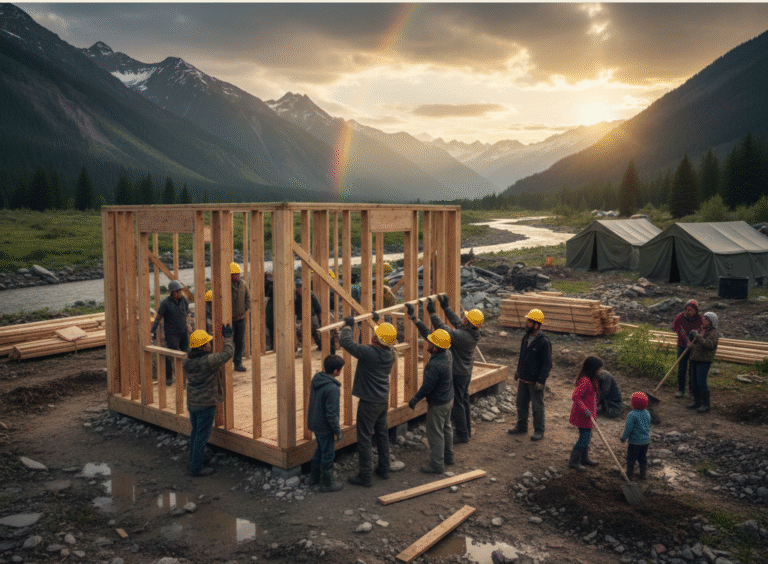
Natural disasters arrive without warning, leaving behind shattered homes, disrupted lives, and deep emotional scars. Earthquakes, floods, cyclones, droughts, and landslides do more than destroy physical structures; they uproot families from their sense of safety, routine, and belonging. In a matter of hours, years of effort, dreams, and stability can vanish. Supporting families after natural disasters is therefore not merely about offering relief; it is about helping people reclaim their dignity, rebuild confidence, and rediscover hope.
In the face of such devastation, compassion becomes the most powerful force of recovery. When communities come together, healing begins. Flybird Foundation stands as a pillar of strength during these moments of crisis, committed to walking alongside affected families long after the initial shock fades. Through sustained rehabilitation, community engagement, and people-first initiatives, the foundation believes that recovery must be holistic, humane, and long-lasting.
The aftermath of a natural disaster is often misunderstood as a short phase of recovery. In reality, it is a long and complex journey marked by uncertainty and emotional exhaustion. Families not only lose their homes but also access to education, healthcare, employment, and social support systems.
The immediate physical destruction includes:
Damaged or collapsed houses
Broken roads and disrupted transportation
Loss of electricity, clean water, and sanitation
Destruction of schools, hospitals, and markets
However, the invisible damage can be even more devastating. Survivors often experience fear, grief, survivor’s guilt, and anxiety about the future. Parents struggle to provide reassurance when they themselves feel powerless. Children may become withdrawn or fearful, while elderly individuals face isolation and neglect.
Disaster recovery programs must recognize that rebuilding lives after disasters involves addressing emotional well-being, social stability, and economic recovery, not just infrastructure.
In the first days following a disaster, families are forced into survival mode. Basic needs become scarce, and access to essential services is severely limited. The absence of proper coordination can further worsen suffering.
Common challenges include:
Lack of safe and secure shelter
Insufficient food supplies and nutrition
Unsafe drinking water leading to health risks
Overcrowded relief camps with limited privacy
Medical emergencies often rise sharply during this period. Injuries, infections, dehydration, and chronic illnesses require urgent attention. Pregnant women, children, and elderly family members are particularly vulnerable.
Beyond physical needs, families also face emotional distress. The fear of aftershocks, floods returning, or further losses creates constant anxiety. Supporting families after natural disasters requires rapid, compassionate, and well-organized humanitarian aid for disaster victims.
Emergency relief initiatives act as the foundation for recovery. When executed effectively, they prevent further loss of life and create a sense of security amidst chaos. Relief operations focus on immediate stabilization, ensuring families have what they need to survive.
Key relief measures often include:
Distribution of food packets, water, and hygiene kits
Emergency medical care and first-aid services
Temporary shelters with basic safety and dignity
Support services to reunite separated family members
Relief is not only physical, but it is also psychological. Knowing that help has arrived reassures survivors that they are not alone and that they are not forgotten. However, emergency relief must be seen as a starting point, not the solution. Without long-term disaster rehabilitation, families remain vulnerable to repeated crises.
The emotional toll of natural disasters can last far longer than visible damage. Survivors may relive traumatic moments, struggle with grief, or feel overwhelmed by uncertainty. Emotional recovery is essential for long-term resilience.
Psychological support includes:
Counseling sessions for individuals and families
Group therapy and community discussions
Safe spaces where children can express emotions
Trauma-informed care for vulnerable individuals
For children, emotional healing is critical. Play therapy, storytelling, and supportive education environments help restore a sense of normalcy. Adults benefit from peer support and counseling that validates their experiences.
Healing the mind empowers families to participate actively in rebuilding efforts. Emotional strength becomes the backbone of community resilience after disasters.
Permanent recovery begins when families regain stable housing and income. Rebuilding homes provides more than shelter—it restores privacy, safety, and identity. Secure housing allows families to reestablish routines and rebuild confidence.
Livelihood restoration is equally vital. Disasters often wipe out:
Small businesses and workshops
Agricultural land and livestock
Tools, equipment, and inventory
Daily wage employment opportunities
Effective disaster recovery programs focus on:
Skill training and vocational education
Financial support for restarting livelihoods
Access to employment and self-employment opportunities
Encouraging local entrepreneurship
When families regain financial independence, they move from survival to stability. Long-term disaster rehabilitation must prioritize economic empowerment to prevent dependency and poverty.
Education is often one of the first casualties of natural disasters. Schools may be destroyed, and families may prioritize survival over learning. However, prolonged disruption in education can have lifelong consequences for children.
Post-disaster education support includes:
Temporary learning centers and rebuilt schools
Access to books, uniforms, and learning materials
Emotional support within educational spaces
Encouraging regular attendance and engagement
Education provides children with structure, safety, and hope. It reassures parents that their children’s future is still possible despite present hardships. Protecting child welfare during recovery is an investment in long-term community development.
Communities heal faster when they are actively involved in their own recovery. Local participation ensures that solutions are practical, culturally appropriate, and sustainable.
Community-driven recovery focuses on:
Involving families in decision-making processes
Utilizing local skills and knowledge
Encouraging volunteerism and mutual support
Strengthening trust and social cohesion
When people work together, recovery becomes a shared journey rather than an imposed process. This collective effort builds confidence and strengthens post-disaster community support systems.
At every stage of disaster recovery, Flybird Foundation remains dedicated to supporting families with compassion and purpose. The foundation understands that true recovery requires patience, empathy, and sustained engagement.
Flybird Foundation focuses on:
Emergency relief initiatives that prioritize dignity
Long-term rehabilitation programs for housing and livelihoods
Emotional and psychological support services
Community empowerment and resilience-building
By collaborating with local stakeholders and volunteers, the foundation ensures that aid reaches those who need it most. Its approach is rooted in humanity—helping families rebuild not just what was lost, but what lies ahead.
Healthcare systems are often severely disrupted after disasters. Injuries, infections, and chronic conditions become difficult to manage without proper medical infrastructure.
Healthcare support includes:
Mobile medical units and health camps
Preventive care to control disease outbreaks
Maternal and child healthcare services
Continued access to essential medicines
Strong healthcare access reduces long-term suffering and prevents secondary crises. Healthy families recover faster and rebuild stronger communities.
Supporting families after natural disasters is a long-term commitment that demands compassion, consistency, and collaboration. Recovery is not just about rebuilding structures; it is about restoring hope, dignity, and opportunity.
Flybird Foundation remains unwavering in its mission to stand beside disaster-affected families at every stage of recovery. Through relief, rehabilitation, and resilience-building initiatives, the foundation continues to transform despair into strength.
When humanity comes together, hope is never lost. It is rebuilt one family, one community, one future at a time.

Together, we spread hope, inspire change, and shape brighter futures.
Flybird Foundation © All Rights Reserved.