+91 9008 41 9008
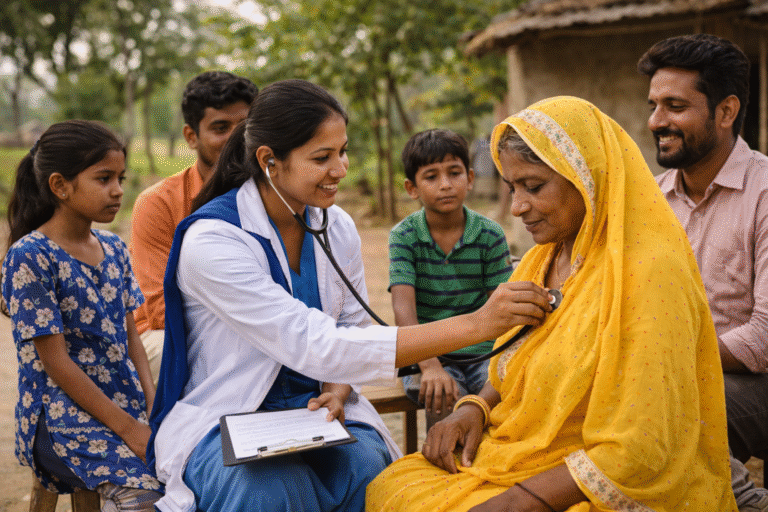
Access to healthcare remains one of the most pressing challenges in remote and underserved regions. While urban centers benefit from hospitals, specialists, and digital health tools, many rural and isolated communities continue to struggle with basic medical services. In these areas, health volunteers have emerged as silent changemakers, working tirelessly to bridge gaps between communities and essential healthcare systems.
Health volunteers are more than just support workers; they are trusted members of the communities they serve. By combining compassion, local understanding, and basic medical training, they ensure that healthcare reaches people who would otherwise remain invisible to formal systems. Their work is transforming lives, strengthening communities, and building resilience where it is needed most.
Remote regions often face a unique combination of geographical, social, and economic barriers that limit access to healthcare. Long distances to medical facilities, poor transportation infrastructure, and lack of awareness make it difficult for residents to seek timely medical attention. In many villages, the nearest hospital may be several hours away, turning even minor illnesses into serious health risks.
Additionally, shortages of doctors, nurses, and medical equipment further complicate healthcare delivery. Cultural beliefs, language barriers, and limited education also contribute to low health-seeking behavior. These challenges create gaps that cannot be filled by infrastructure alone, highlighting the need for community-driven solutions led by health volunteers.
Health volunteers are individuals trained to provide basic healthcare support, health education, and preventive services within their communities. They often come from the same villages they serve, allowing them to build trust and communicate effectively.
Their importance lies in their ability to:
Act as the first point of contact for medical guidance
Promote preventive healthcare practices
Identify early signs of illness
Connect patients with healthcare professionals and facilities
By working at the grassroots level, health volunteers ensure that healthcare is not limited to hospitals but becomes a part of daily community life.
Health Awareness and Education
Volunteers conduct regular awareness sessions on hygiene, nutrition, maternal health, and disease prevention. These sessions empower communities with knowledge that reduces long-term health risks.
Early Detection of Illness
Through routine visits and observation, volunteers identify symptoms early, helping prevent complications and unnecessary hospitalizations.
Vaccination and Immunization Support
Health volunteers assist in vaccination drives by mobilizing communities and addressing myths or fears related to immunization.
Monitoring Chronic Conditions
In remote areas, volunteers help monitor conditions such as diabetes, blood pressure, and respiratory issues, ensuring continuity of care.
Health volunteers act as a bridge between informal community care and formal healthcare systems. They facilitate communication, coordination, and referrals.
Their bridging role includes:
Identifying patients who require professional medical attention
Assisting with referrals and follow-ups
Supporting government and NGO healthcare initiatives
Additional support activities:
Maintaining basic health records
Assisting during medical camps
Helping patients navigate healthcare services
This dual role strengthens the overall healthcare ecosystem in remote regions.
Health volunteers address barriers by implementing localized and practical solutions tailored to community needs.
Key approaches include:
Door-to-door health check-ups
Flexible consultation timings
Use of local examples for health education
Community-led health discussions
These localized efforts make healthcare more accessible and relevant, ensuring higher participation and better outcomes.
Maternal Health Support
Volunteers guide expectant mothers through prenatal care, nutrition, and safe delivery practices.
Child Health and Nutrition
Regular monitoring of child growth and nutrition helps prevent malnutrition and related illnesses.
Health Education for Mothers
Mothers receive practical guidance on hygiene, breastfeeding, and early childhood care.
These interventions significantly improve health outcomes for women and children, who are often the most vulnerable in remote areas.
Effective health volunteering depends on proper training and continuous learning. Volunteers are equipped with basic medical knowledge, communication skills, and ethical guidelines.
Training typically includes:
First aid and basic healthcare practices
Health awareness communication techniques
Emergency response protocols
Data recording and reporting
Empowered volunteers become confident leaders who can influence positive change within their communities.
Flybird Foundation believes that strong communities are built on accessible and inclusive healthcare. By supporting health volunteers, the Foundation strengthens the foundation of grassroots healthcare delivery in remote and underserved areas. Its initiatives focus on empowering volunteers with knowledge, resources, and structured support systems that enhance their effectiveness.
Through community-driven programs, Flybird Foundation works closely with volunteers to promote preventive healthcare, awareness campaigns, and early intervention strategies. These efforts ensure that healthcare reaches the last mile and addresses real community needs.
Flybird Foundation’s support includes:
Training programs for community health volunteers
Health awareness and preventive care initiatives
Collaboration with local healthcare providers
Resource support for outreach activities
Focus on sustainable, long-term health impact
Sustainability is key to long-term health improvement in remote areas. Health volunteers play a crucial role in creating self-reliant health ecosystems.
Key sustainability elements:
Community ownership of health initiatives
Continuous volunteer engagement
Integration with local healthcare systems
Supporting actions:
Capacity-building programs
Regular health monitoring
Community participation
These ecosystems ensure lasting change beyond temporary interventions.
Health volunteers are the backbone of healthcare delivery in remote areas. Their dedication, empathy, and local knowledge allow them to reach communities that formal systems often struggle to serve. By focusing on prevention, awareness, and early intervention, they reduce health risks and improve overall well-being.
The impact of health volunteers extends beyond individual care. They foster trust, encourage healthy behaviors, and build resilient communities capable of addressing their own health challenges. Their work proves that meaningful change often begins at the grassroots level.
Through its commitment to community health and volunteer empowerment, Flybird Foundation continues to support initiatives that bridge healthcare gaps and create sustainable impact. By standing with health volunteers, the Foundation reinforces its mission to build healthier, stronger, and more inclusive communities.

Together, we spread hope, inspire change, and shape brighter futures.
Flybird Foundation © All Rights Reserved.