
+91 9008 41 9008
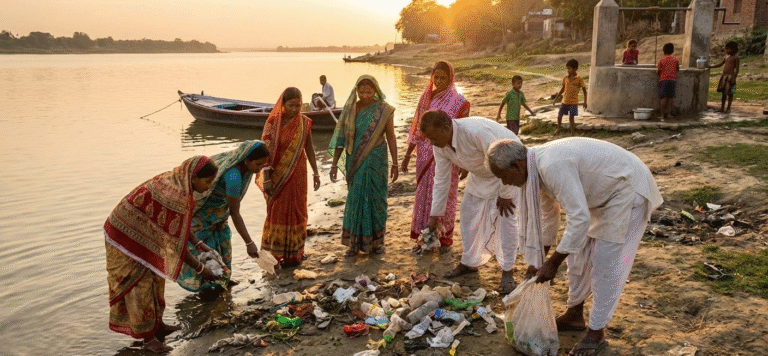
Across centuries, the rivers of India have shaped the nation’s geography, economy, and way of life. Flowing through cities, villages, forests, and farmlands, these rivers—along with lakes, ponds, and wetlands—have quietly supported human survival and ecological balance. Water bodies in India are not merely physical resources; they are life-sustaining systems that provide drinking water, nourish agriculture, support biodiversity, and enable livelihoods for millions of people every single day.
Despite their immense value, the condition of Indian rivers and lakes has deteriorated significantly. Rapid urbanization, industrial expansion, and unsustainable water usage have placed extraordinary pressure on natural water systems. River pollution in India has increased at an alarming pace, while many lakes and wetlands have been encroached upon or degraded beyond recognition. As water quality declines and water scarcity intensifies, the consequences are being felt across health, agriculture, and environmental stability.
Recognizing this growing crisis, Flybird Foundation believes that caring for water bodies is not just an environmental obligation but a social responsibility. Protecting rivers and water resources requires awareness, collective effort, and a long-term commitment to sustainability.
Water bodies have held a deeply respected place in Indian civilization for thousands of years. Rivers were revered not only for their physical utility but also for their cultural and spiritual value. Settlements flourished along riverbanks, and water determined agricultural cycles, trade routes, and social development.
Historically, communities across India designed their lives around water availability. Lakes, stepwells, tanks, and ponds were carefully constructed to store rainwater and manage seasonal variations. These systems reflected an understanding of sustainable water management long before modern infrastructure existed.
Different types of water bodies played unique roles, such as:
Rivers, which supported agriculture, transportation, and settlements
Lakes and ponds, which acted as water storage systems
Wetlands, which filtered water and supported biodiversity
Traditional tanks and stepwells, which helped manage water scarcity
Over time, however, this collective respect for water gradually weakened. As modern infrastructure expanded, water began to be viewed as an unlimited resource rather than a shared responsibility. This shift in perception has contributed significantly to the declining health of water bodies in India.
Beyond their cultural importance, Indian rivers and lakes play a critical ecological role. They form the backbone of complex ecosystems that support plants, animals, and human communities alike. Healthy water bodies regulate natural cycles that are essential for environmental balance.
One of the most important functions of rivers and lakes is groundwater recharge. As water flows through riverbeds and wetlands, it replenishes underground aquifers that supply drinking water to towns and villages. Without healthy surface water systems, groundwater levels decline rapidly, leading to water scarcity.
Water bodies also support biodiversity by:
Providing habitats for aquatic plants and animals
Supporting migratory birds and wildlife
Maintaining soil fertility through natural flooding cycles
Regulating temperature and local climate conditions
When these systems are damaged, the consequences extend far beyond the immediate area. Degraded water bodies disrupt food chains, reduce agricultural productivity, and increase vulnerability to extreme weather events.
River pollution in India has emerged as one of the most serious environmental challenges of our time. Many rivers now carry a heavy load of untreated waste, transforming once-clean water sources into health hazards. Pollution does not occur due to a single factor; it is the result of multiple interconnected activities.
Major causes of river pollution include:
Discharge of untreated industrial waste
Release of domestic sewage into rivers
Plastic waste and solid garbage dumping
Agricultural runoff containing chemicals and fertilizers
The consequences of polluted rivers are severe and far-reaching. Contaminated water affects drinking supplies, irrigation systems, and aquatic life. Polluted rivers also increase the spread of waterborne diseases, placing additional strain on public health systems.
Moreover, pollution reduces the natural self-cleaning ability of rivers. As oxygen levels drop and toxins accumulate, aquatic ecosystems collapse. This makes river restoration increasingly difficult and costly, emphasizing the need for prevention rather than remediation.
Across India, many lakes, ponds, and wetlands are shrinking or disappearing altogether. This silent crisis often goes unnoticed until water shortages become severe. Encroachment, over-extraction of water, and poor maintenance have contributed to the loss of countless water bodies.
Urban areas are particularly vulnerable. Rapid development has replaced natural water storage systems with concrete structures, disrupting drainage patterns and increasing flood risks. In rural areas, excessive groundwater pumping has lowered water tables, drying up nearby rivers and ponds.
The disappearance of water bodies leads to:
Reduced availability of drinking water
Increased dependence on groundwater
Loss of biodiversity and green cover
Greater vulnerability to droughts
Protecting existing water bodies is far more effective than attempting to recreate them after they are lost.
Water conservation in India is no longer limited to addressing seasonal shortages. It has become a national priority linked to economic growth, public health, and environmental sustainability. As population growth and climate variability increase water demand, conservation efforts must intensify.
Conservation is not only about reducing water usage but also about using water wisely. Efficient irrigation, responsible industrial practices, and mindful household consumption all contribute to reducing stress on water resources.
Effective water conservation requires:
Coordinated efforts across sectors
Community participation
Long-term planning rather than short-term solutions
Without conservation, even large rivers and reservoirs cannot meet future demand.
Sustainable water management focuses on balancing present needs with future availability. It recognizes that water systems are interconnected and must be managed holistically. This approach emphasizes protection, efficiency, and regeneration.
Key components of sustainable water management include:
Rainwater harvesting to capture and store rainfall
Reuse and treatment of wastewater
Protection of natural water flows
Revival of traditional water systems
By integrating modern technology with traditional knowledge, India can build resilient water systems that adapt to changing environmental conditions.
Awareness plays a crucial role in protecting water resources. Many harmful practices persist simply because their long-term impacts are not fully understood. Education helps individuals and communities recognize their role in conservation.
Environmental education encourages:
Responsible water usage
Respect for local water bodies
Long-term thinking about resource management
When people understand the value of water bodies, they are more likely to protect them.
Climate change has significantly altered water cycles across India. Irregular rainfall patterns, rising temperatures, and extreme weather events affect river flow and water availability. Some regions experience intense flooding, while others face prolonged droughts.
These changes strain existing water infrastructure and increase competition for water resources. Protecting rivers and lakes enhances resilience by allowing ecosystems to absorb and adapt to climatic variations.
Healthy water bodies act as buffers against climate impacts, reducing the severity of floods and maintaining water supply during dry periods.
Rapid urban expansion has placed immense pressure on water bodies in India. Natural lakes and wetlands are often filled or polluted to make way for development. This disrupts drainage systems and reduces natural water storage capacity.
Urban planning that ignores water bodies increases:
Flood risks
Water shortages
Environmental degradation
Integrating water-sensitive planning into urban development is essential for sustainable growth.
Strong governance is essential for protecting water resources. Policies must focus on prevention, monitoring, and accountability. Effective enforcement ensures that conservation efforts translate into real-world impact.
Collective action involving authorities, organizations, and communities strengthens water protection initiatives. When governance and public participation work together, conservation becomes more sustainable and inclusive.
Flybird Foundation recognizes that water is fundamental to social well-being and environmental health. The Foundation’s approach to sustainability emphasizes awareness, responsibility, and long-term impact. By promoting environmental consciousness, Flybird Foundation encourages communities to value and protect water bodies.
Water conservation aligns with the Foundation’s broader mission of creating positive social change. Through education, engagement, and responsible initiatives, Flybird Foundation supports efforts that contribute to a healthier and more sustainable environment.
Individual actions play a vital role in protecting water resources. Simple habits, when practiced collectively, can make a significant difference.
Individuals can contribute by:
Using water efficiently at home and work
Avoiding disposal of waste near water bodies
Supporting conservation initiatives
Encouraging water-positive practices within communities
Responsible behavior helps preserve water bodies for future generations.
India’s rivers and water bodies are the foundation upon which ecosystems, economies, and communities depend. Their declining health reflects the urgent need to rethink how water is used, managed, and protected. From river pollution to shrinking lakes, the challenges facing water bodies in India are complex, but they are not irreversible. With timely action and collective responsibility, these life-giving systems can be restored and safeguarded.
Water conservation in India must move beyond short-term solutions and become a shared national priority. Sustainable water management, public awareness, and responsible governance together can protect water resources from further degradation. Every effort, whether at an institutional, community, or individual level, contributes to building resilience against water scarcity and environmental imbalance.
Through its commitment to environmental awareness and sustainability, Flybird Foundation stands for responsible action toward protecting India’s water bodies. By encouraging conscious water usage and promoting long-term conservation values, the Foundation aims to support a future where rivers continue to flow with life, balance, and purpose for today’s communities and future generations.

Together, we spread hope, inspire change, and shape brighter futures.
Flybird Foundation © All Rights Reserved.