
+91 9008 41 9008
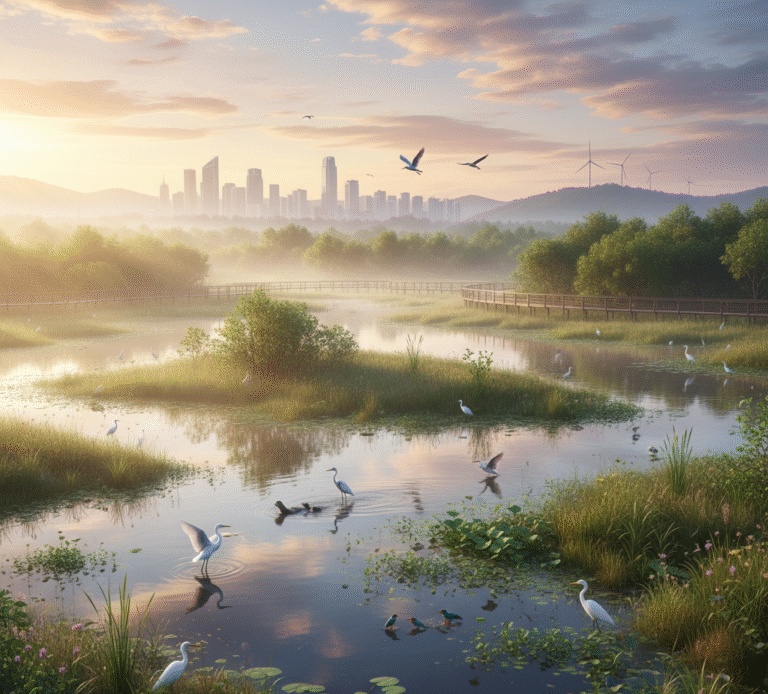
Wetlands, marshes, swamps, peatlands, and mangroves are often overlooked, yet they are among the most productive and vital ecosystems on Earth. They silently regulate water cycles, provide habitat for countless species, and sustain human communities. Despite their importance, wetlands are disappearing faster than forests, leaving ecosystems and human populations vulnerable to floods, water scarcity, and biodiversity loss.
Wetlands are far more than “waterlogged lands.” They are life-support systems, providing essential services such as water filtration, flood control, carbon storage, and habitat protection. Every wetland lost is a direct threat to local communities, global ecology, and future generations. Conserving wetlands is therefore not just an environmental necessity; it is a moral, social, and economic responsibility. Protecting wetlands today secures clean water, food security, climate resilience, and biodiversity for tomorrow.
Wetlands are areas where water covers soil or remains near the surface for a significant period. They support unique ecosystems and can be freshwater, brackish, or saltwater. Key types include:
Marshes: dominated by grasses and herbaceous plants, seasonal water coverage, important for flood mitigation
Swamps: dense forests of trees and shrubs, serving as habitats for mammals, reptiles, and amphibians
Peatlands: organic-rich soils storing enormous amounts of carbon, essential for climate regulation
Mangroves: coastal wetlands protecting shorelines from erosion and storm surges
Flood Regulation: Act as natural reservoirs during heavy rainfall
Water Filtration: Filter sediments, toxins, and excess nutrients from water
Biodiversity Support: Provide shelter and breeding grounds for thousands of species
Climate Moderation: Influence local humidity, temperature, and microclimates
Wetlands serve as nature’s infrastructure, performing services that would require expensive artificial solutions. They maintain ecological balance while supporting human livelihoods, agriculture, and urban development. Without them, ecosystems weaken, and communities face higher vulnerability.
Wetlands are essential for water management, absorbing, storing, and slowly releasing water. Their sponge-like soil reduces the risk of floods and droughts while replenishing aquifers.
Key Roles of Wetlands in Water Management
Flood Control: Wetlands absorb excess rainfall, reducing the severity of floods downstream. This natural buffering prevents loss of life, property damage, and economic disruption.
Groundwater Recharge: Water filtered through wetland soil replenishes underground aquifers, sustaining drinking water and irrigation supplies.
Water Purification: Wetland plants and microorganisms remove toxins, sediments, and excess nutrients, maintaining clean water.
Erosion Control: Wetlands stabilize soil and shorelines, preventing sediment loss and maintaining fertile lands.
Wetlands are critical biodiversity hotspots, supporting flora, fauna, and microorganisms essential to ecosystem balance.
Bird Habitats: Serve as breeding grounds for migratory birds such as Siberian cranes, herons, and storks.
Aquatic Life: Fish, amphibians, and invertebrates thrive, maintaining food chains and supporting fisheries.
Endangered Species: Many wetlands host species found nowhere else, such as the Gangetic dolphin or certain amphibians.
Pollinators and Microorganisms: Wetlands support insect populations and soil microbes that sustain agriculture and plant diversity.
Wetlands are natural climate regulators, helping reduce greenhouse gas emissions and buffering climate impacts.
Climate Benefits
Carbon Storage: Peatlands, mangroves, and marshes store carbon in plants and soil, preventing its release into the atmosphere.
Temperature and Humidity Regulation: Wetlands stabilize local climates, reducing heat stress in surrounding areas.
Natural Disaster Mitigation: Coastal wetlands and mangroves buffer against storm surges, cyclones, and tsunamis.
Wetlands directly sustain human livelihoods, particularly in rural and coastal regions.
Benefits Include:
Fisheries: Wetlands serve as breeding grounds for freshwater and marine fish, providing protein and income.
Agriculture: Wetlands enhance soil fertility and water availability, improving crop yields.
Sustainable Harvesting: Communities collect reeds, medicinal plants, and edible plants responsibly.
Eco-Tourism: Wetlands attract tourists, supporting local economies while encouraging conservation.
Wetlands hold profound cultural, social, and spiritual significance:
Sacred groves, marshes, and rivers are preserved through traditional practices.
Seasonal festivals align with agricultural and wetland cycles.
Wetlands inspire art, literature, and folklore, connecting humans to nature.
Wetlands face serious human-induced threats:
Urbanization: Construction reduces wetland area and fragments ecosystems.
Pollution: Industrial effluents, agricultural runoff, and domestic waste degrade wetland quality.
Land Conversion: Wetlands drained for agriculture, roads, or urban expansion.
Climate Change: Rising sea levels, temperature shifts, and erratic rainfall threaten wetland health.
Invasive Species: Non-native plants and animals can disrupt wetland ecology, reducing native biodiversity.
Wetland degradation has wide-reaching environmental, social, and economic consequences:
Increased Flooding: Loss of natural water absorption leads to devastating floods.
Biodiversity Loss: Species dependent on wetlands face extinction, reducing ecosystem resilience.
Economic Loss: Collapse of fisheries, agriculture, and eco-tourism industries.
Water Scarcity & Pollution: Natural filtration declines, creating shortages and health risks.
Climate Vulnerability: Reduced carbon storage and disaster mitigation capacity.
The cascading effects of wetland loss underscore why wetland conservation is essential for humanity’s future.
Communities are frontline protectors of wetlands. Local engagement ensures sustainable conservation.
Community Actions Include:
Restoration projects and native planting programs
Water quality monitoring and wildlife surveys
Awareness campaigns for schools and youth groups
Participation in government and NGO initiatives
Education fosters long-term conservation attitudes. Awareness ensures communities understand wetlands’ benefits and responsibilities.
School Programs: Teaching children ecological principles and conservation methods.
Workshops: Farmers learn eco-friendly practices to maintain wetland health.
Media Campaigns: Highlight wetlands’ role in sustaining life, culture, and economy.
Flybird Foundation actively works to conserve wetlands through:
Community engagement and restoration programs
Awareness campaigns highlighting ecological and economic value
Support for eco-tourism, sustainable livelihoods, and native planting
Advocacy for policy measures protecting wetlands
Individual actions, multiplied across communities, create meaningful change:
Avoid littering or polluting wetlands
Participate in wetland restoration and cleanup drives
Support local conservation organizations
Educate neighbors, children, and peers about wetlands
Every small act strengthens the collective effort to safeguard ecosystems and build a sustainable future.
Protecting wetlands ensures:
Resilient ecosystems capable of sustaining diverse life forms
Stable food systems and sustainable livelihoods
Climate regulation and disaster risk reduction
Preservation of cultural heritage and community identity
Wetlands are nature’s insurance policy, safeguarding life, livelihoods, and local cultures. Protecting them today secures a healthy, resilient, and sustainable future.
Wetlands are critical ecosystems, providing clean water, food, biodiversity, climate stability, and cultural identity. Protecting them is a moral and ethical duty reflecting humanity’s responsibility to nature and future generations.
Communities, governments, organizations, and individuals must work collectively to conserve wetlands. Every action restoration, policy advocacy, sustainable practice contributes to ecological balance and community well-being.
Through its initiatives, Flybird Foundation promotes wetland conservation by empowering communities, raising awareness, supporting sustainable livelihoods, and fostering long-term stewardship. Protecting wetlands today guarantees a resilient and sustainable tomorrow for humans, wildlife, and the planet.

Together, we spread hope, inspire change, and shape brighter futures.
Flybird Foundation © All Rights Reserved.