
+91 9008 41 9008
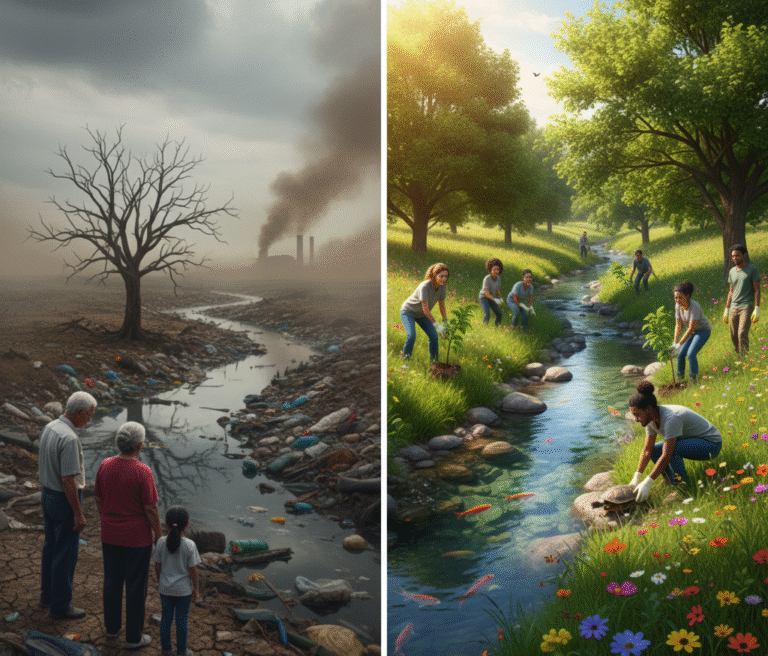
Every community exists within a natural system that quietly supports daily life. The air we breathe, the water we drink, the food we grow, and even the climate we experience are shaped by the health of our local ecosystem. Rivers, trees, soil, wildlife, and microorganisms form a living network that sustains human existence, often without recognition or gratitude.
In today’s fast-paced world, attention is frequently directed toward global environmental issues, while the immediate surroundings are overlooked. Yet, the protection of local ecosystems is not merely an environmental responsibility; it is a moral duty. Caring for the environment, which directly sustains our communities, reflects ethical values, respect for life, and responsibility toward future generations.
A local ecosystem includes all living and non-living elements within a specific geographic area and the interactions between them. It is shaped by climate, landforms, vegetation, water sources, and human activity.
Key components of a local ecosystem include:
Native plants and trees
Wildlife, birds, insects, and microorganisms
Soil quality and water bodies
Human settlements and cultural practices
These components function together as a balanced system. When one element is disturbed, the effects spread throughout the ecosystem. Protecting local ecosystems ensures that this balance remains intact, allowing nature and communities to coexist sustainably.
Human beings possess the unique ability to alter the environment on a large scale. With this power comes moral responsibility. Protecting local ecosystems is rooted in ethical principles that recognize humanity’s role as a steward rather than an owner of nature.
Moral responsibility toward nature involves:
Respecting all forms of life, not just those with economic value
Acknowledging the right of future generations to a healthy environment
Preventing unnecessary harm to ecosystems through careless actions
Environmental protection should not rely solely on laws or regulations. True conservation emerges from moral awareness and the understanding that harming nature ultimately harms humanity itself.
Local ecosystems directly support human survival and quality of life. They provide essential resources that cannot be replaced by artificial systems alone.
Some vital services offered by local ecosystems include:
Clean air through vegetation and green spaces
Fresh water through rivers, lakes, and groundwater recharge
Fertile soil for agriculture and food production
Natural climate regulation and temperature control
When local ecosystems are degraded, communities experience immediate consequences such as water scarcity, health problems, food insecurity, and increased vulnerability to natural disasters. Protecting these ecosystems is therefore a matter of human well-being, not just environmental concern.
Across generations, communities have developed cultural practices deeply connected to their natural surroundings. Local ecosystems shape traditions, livelihoods, and belief systems.
Examples of cultural connections include:
Traditional farming methods adapted to local soil and climate
Sacred groves, rivers, and trees protected through customs
Seasonal festivals aligned with agricultural cycles
These traditions reflect an inherent understanding of ecological balance. Losing local ecosystems also means losing cultural identity and ancestral knowledge. Protecting nature becomes an act of preserving heritage and collective memory.
Environmental degradation at the local level often goes unnoticed until damage becomes irreversible. The consequences affect both nature and society in profound ways.
Major impacts include:
Decline in biodiversity and loss of native species
Reduced agricultural productivity due to soil degradation
Increased health risks from pollution and contaminated resources
Economic stress on communities dependent on natural resources
Local ecosystem damage creates a cycle of decline where environmental harm leads to social and economic challenges, further reducing the capacity for recovery. Prevention, therefore, is a moral and practical necessity.
Local ecosystems host unique species adapted to specific environmental conditions. This biodiversity strengthens resilience and stability within ecosystems.
Benefits of protecting local biodiversity include:
Stronger resistance to pests and diseases
Better adaptation to climate variability
Preservation of genetic diversity essential for survival
When native species disappear, ecosystems become fragile and vulnerable. Protecting biodiversity locally ensures that ecosystems remain functional and capable of supporting life over time.
Urban expansion is one of the most significant threats to local ecosystems. As cities grow, natural landscapes are often replaced by concrete and infrastructure.
Urbanization impacts ecosystems through:
Destruction of natural habitats
Reduction in green spaces and water absorption areas
Increased pollution and waste generation
While development is necessary, it must be balanced with environmental responsibility. Ethical urban planning considers the protection of local ecosystems as a fundamental aspect of sustainable growth.
Global climate change manifests most visibly at the local level. Rising temperatures, unpredictable rainfall, and extreme weather events directly affect local ecosystems.
Local impacts of climate change include:
Increased frequency of floods and droughts
Stress on water resources and agriculture
Disruption of natural life cycles
Protecting local ecosystems strengthens resilience against climate change. Healthy forests, wetlands, and green spaces act as natural buffers, reducing the severity of climate-related impacts.
Communities play a critical role in safeguarding local environments. When people feel connected to their surroundings, conservation becomes a shared responsibility rather than an imposed obligation.
Community-led conservation efforts often focus on:
Protecting local water bodies and green spaces
Promoting sustainable farming and resource use
Encouraging collective decision-making
Such initiatives demonstrate that moral duty thrives when communities work together to protect what sustains them.
Education is essential in shaping ethical attitudes toward nature. Awareness initiatives help individuals understand how their actions affect local ecosystems.
Effective environmental education promotes:
Early awareness among children and youth
Practical understanding of sustainability
Long-term behavioral change
Informed communities are more likely to protect their environment, support conservation efforts, and demand responsible development.
Flybird Foundation believes that protecting local ecosystems is both an ethical obligation and a social responsibility. The foundation actively supports environmental awareness, community participation, and sustainable practices that safeguard natural resources.
Through its initiatives, Flybird Foundation focuses on:
Promoting environmental education and awareness
Encouraging community-driven conservation efforts
Supporting green initiatives that protect local biodiversity
By fostering a sense of responsibility and stewardship, Flybird Foundation works to strengthen the relationship between communities and their natural surroundings.
Individual responsibility forms the foundation of collective environmental action. Protecting local ecosystems begins with personal commitment.
Practical steps individuals can take include:
Participating in local clean-up and conservation activities
Protecting trees, water bodies, and green spaces
Advocating for environmentally responsible practices
When individuals act with awareness and purpose, moral duty transforms into meaningful impact.
Protecting local ecosystems yields long-term benefits that extend beyond environmental health.
These benefits include:
Sustainable livelihoods and economic stability
Improved public health and quality of life
Environmental resilience for future generations
Preserving local ecosystems ensures that development does not compromise the ability of future communities to thrive.
Protecting the local ecosystem is not merely an environmental task; it is a moral duty rooted in responsibility, respect, and care for life. Local ecosystems sustain communities, preserve cultural identity, and maintain the balance that allows humans and nature to coexist. When these systems are harmed, the consequences are felt immediately and profoundly.
Fulfilling this moral duty requires conscious choices, ethical development, and collective effort. Communities, organizations, and individuals must recognize their role in safeguarding the environment that directly supports their lives. Conservation must become a shared value rather than an afterthought.
Through its commitment to environmental stewardship, Flybird Foundation continues to promote the protection of local ecosystems as a fundamental responsibility. By encouraging awareness, empowering communities, and supporting sustainable practices, Flybird Foundation strives to ensure that local ecosystems remain healthy, resilient, and capable of sustaining life for generations to come.

Together, we spread hope, inspire change, and shape brighter futures.
Flybird Foundation © All Rights Reserved.