
+91 9008 41 9008
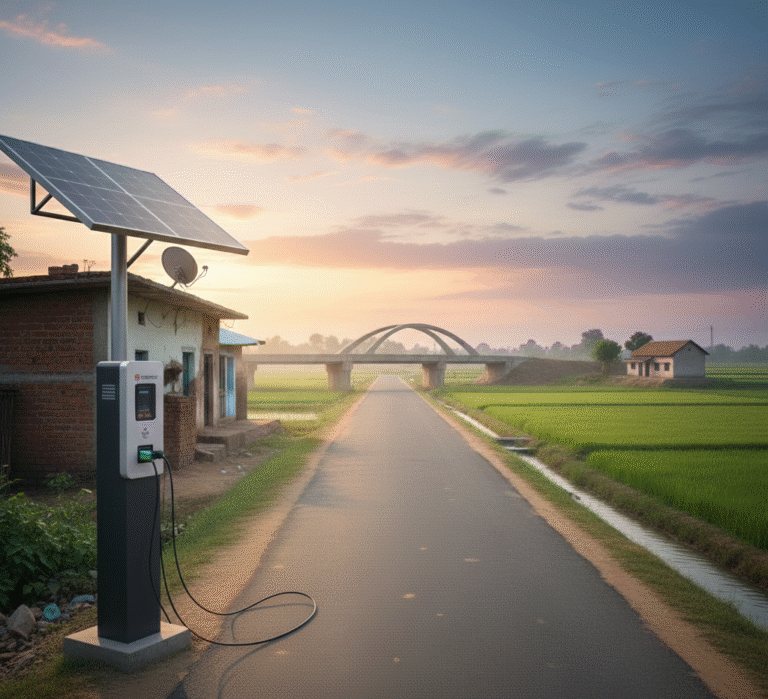
In many corners of rural India, a new day begins with the rising sun but carries the weight of old challenges. A mother wakes up before dawn to fetch water from a distant well, a child prepares for school with a torn bag and a hope larger than her circumstances, and a farmer scans the sky praying for weather that will favour his crops. These stories reveal an undeniable truth: potential exists everywhere, even in the smallest villages, but opportunities often do not.
Infrastructure is not just about concrete roads or buildings—it is about dignity, equal access, and the ability to dream freely. When a village lacks the basics, every step becomes heavier, every decision becomes restricted, and every aspiration becomes delayed. Rural India does not lack talent; it lacks the bridges needed to turn that talent into growth.
This blog explores why infrastructure is not a luxury, but a lifeline—one that can help rural India rise with pride, resilience, and new possibilities.
Rural India is often viewed through the lens of challenges, but behind those challenges lies immense strength. The villages of India are home to hardworking communities that preserve traditions, nurture culture, and sustain the nation’s agricultural backbone. Their values—unity, resilience, and generosity—remain some of the strongest elements of India’s social fabric.
Every hand that tills the soil, every artisan who shapes raw materials into beauty, every woman who leads her family with courage represents possibility waiting to be recognized. These strengths are not visible from the outside unless infrastructure allows them to shine. When people have better transport, digital access, healthcare, and education, their inherent skills transform into sustainable progress.
For India to grow holistically, the rural heartbeat must stay strong. Empowering rural India is not an act of charity—it is a commitment to honoring the courage and potential that already exist in abundance.
A road is far more than a stretch of asphalt. For many rural families, it is a lifeline that brings education, healthcare, safety, and opportunity closer. In villages with poor road connectivity, every journey becomes an ordeal. Children walk miles to reach school, often skipping classes during rains or extreme heat. Pregnant women struggle to reach hospitals in emergencies, sometimes with tragic results. Farmers cannot transport produce efficiently, leading to losses and limited income.
But when well-built roads reach these areas, everything changes. Schools become accessible and attendance rises. Medical help arrives on time. Farmers connect to markets and earn better returns. Small shops, transport services, and local businesses begin to flourish. A simple road can spark a chain reaction of economic and social upliftment.
Good roads don’t just link one destination to another—they connect people to opportunity, dignity, and hope. They transform isolation into inclusion.
Water scarcity is one of the biggest challenges rural communities endure. Women and children spend hours fetching water, losing precious time meant for learning, working, or resting. Contaminated water sources create widespread illness, burdening families with medical expenses and emotional stress.
Sanitation, too, plays a major role in shaping dignity and safety. The absence of proper toilets affects women the most, forcing them to wait until dark, exposing them to risks and compromising their well-being. Lack of sanitation contributes to infections, affects school attendance, and weakens community health overall.
When a village gains access to clean drinking water, well-constructed toilets, and proper waste management, the transformation is immediate. Children fall sick less often, families save money, and women experience safety and confidence. Water and sanitation are not just necessities—they are the foundations of dignity.
In many rural areas, healthcare is not just scarce—it is painfully distant. A simple fever, untreated due to lack of facilities, can escalate into a life-threatening condition. Expecting mothers often face risky pregnancies because medical help is far from reach. Elderly people suffer silently without regular check-ups or medicine availability.
Healthcare infrastructure brings more than medical treatment—it brings security, reassurance, and the comfort of knowing help is nearby. Clinics, mobile health units, telemedicine, and trained community health workers help bridge the gap between rural families and essential care.
When healthcare becomes accessible, lives change. Infant mortality drops, preventive care increases, and families feel supported in their health journey. Accessible healthcare is not just a facility—it is a promise of life, stability, and peace of mind.
Education is the bridge between dreams and reality, but in many villages, the bridge is fractured. Schools lack basic amenities like functional classrooms, drinking water, clean toilets, electricity, libraries, and qualified teachers. Children often travel long distances, and many drop out simply because the environment is not conducive to learning.
A well-equipped school is more than a building—it is a gateway to confidence, curiosity, and empowerment. When classrooms are clean, teachers are trained, and students have access to books, computers, and extracurricular activities, learning becomes joyful. Dropout rates fall, especially among girls.
Investing in rural education means investing in the future of India. Every child who learns, grows, and finds opportunities becomes a beacon of change for their family and the community.
In today’s world, digital access is as essential as roads or electricity. Yet many rural areas remain digitally disconnected, limiting learning, job opportunities, and access to essential information. Students without internet cannot attend online classes. Farmers miss out on weather updates, market prices, and government schemes. Women and youth lose opportunities available through digital platforms.
Digital connectivity has the power to transform lives instantly. A smartphone with internet access can become a classroom, a business tool, a financial gateway, or an emergency support system. Online learning empowers students, digital banking supports families, and access to information widens perspectives.
Bridging the digital divide is no longer optional—it is necessary for ensuring equality. When rural communities go online, they step into a world of possibility.
Rural India is filled with people capable of building, innovating, and leading, but often opportunities lie far away. Limited employment forces migration, separating families and weakening social structures. To reverse this, strong economic infrastructure must exist where people live—storage facilities, cottage industries, agricultural technology, processing units, and small manufacturing hubs.
With local job opportunities, youth stay, families remain united, and villages begin to thrive. Farmers gain better value for their produce. Women can work closer to home. Local markets grow vibrant with activity. Economic infrastructure nurtures self-reliance and strengthens rural economies from within.
When people have the chance to work in their hometowns, prosperity becomes homegrown and sustainable.
Electricity is more than light—it is empowerment. Unreliable power supply affects every aspect of rural life. Children study under dim lamps. Farmers cannot use modern equipment. Businesses shut early because machines cannot run. Even something as simple as cold storage becomes impossible without consistent electricity.
When a village receives stable electricity, evenings glow with possibility. Children prepare for exams, artisans extend their work hours, and small industries grow. Households feel safer, and families enjoy a better quality of life. Electricity brings comfort, opportunity, and the freedom to live without limitations.
Reliable power doesn’t just brighten homes—it illuminates dreams.
Mobility is deeply tied to freedom. Lack of public transport restricts women from attending college, the elderly from visiting hospitals, and workers from accessing better jobs. Students often walk long distances, losing precious time. Families cannot travel for emergencies or essential tasks.
Reliable, affordable public transport creates independence and dignity. It expands educational possibilities, improves healthcare access, and enhances social participation. Mobility gives rural families the courage to explore, learn, and achieve more.
Transport is not merely a service—it is a pathway to opportunity and security.
Community spaces such as halls, libraries, learning centres, playgrounds, and common gathering areas play a crucial role in fostering unity. These spaces encourage dialogue, collaboration, cultural events, and youth involvement.
Without such spaces, communities lose the platforms needed to grow together. Activities shift indoors, discussions become fragmented, and young people lack healthy places to develop skills or express themselves.
Well-designed community spaces strengthen bonds. They create an environment where people support each other, celebrate together, and find collective solutions. A strong community thrives on shared spaces.
When infrastructure improves, dignity follows. Families feel more secure, women gain new independence, and children dream bigger. Better infrastructure reduces stress, brings stability, and gives people the freedom to focus on growth rather than survival.
Improved infrastructure raises the confidence of entire communities, encouraging them to participate in development and take ownership of change. The emotional impact is profound—pride, hope, and self-worth become everyday companions.
Generations grow up healthier, more educated, and more empowered. The ripple effects reach far beyond the present—they shape the India of tomorrow.
Real transformation begins when someone chooses to care, and the Flybird Foundation has consistently stood beside rural communities with that spirit of compassion. Instead of offering temporary relief, the Foundation works with a deep understanding of local needs, ensuring that every initiative uplifts people with dignity. Whether it is supporting education, improving access to clean water, or empowering women to lead change, the focus remains on long-term, meaningful progress.
The Foundation believes development must come from within the community. That is why its programs encourage participation, skill-building, and ownership. Volunteers, local leaders, youth groups, and families come together to ensure that every effort truly benefits the people it is meant for. This partnership-driven approach makes change sustainable and deeply rooted in the community’s heart.
Through health camps, awareness drives, environmental efforts, and social welfare projects, the Flybird Foundation continues to illuminate lives in places that are often overlooked. Each step they take strengthens rural India’s journey toward equality, opportunity, and pride. Their work reflects a simple truth: when compassion guides action, communities rise with confidence and hope.
A future where every village has roads, electricity, healthcare, and education is not a distant dream; it is an achievable vision. Rural India deserves more than survival; it deserves dignity, independence, and opportunity.
With the right infrastructure, rural communities will lead India’s progress, shaping an economy rooted in equality and strength. The journey ahead requires commitment, compassion, and collective effort.
Empowering rural India is not just an act of development; it is an investment in humanity, hope, and national pride.
Infrastructure is the bridge that transforms everyday struggles into stories of empowerment and resilience. When rural communities receive the support they deserve, their hidden potential rises, shaping a brighter, stronger future. Growth becomes a shared promise, not a distant possibility.
Development is meaningful only when it reaches every corner of society. With better roads, schools, hospitals, and opportunities, rural families reclaim dignity, confidence, and a life of stability. Their progress strengthens the entire nation.
As India works toward a more inclusive tomorrow, organizations like Flybird Foundation continue supporting rural communities with unwavering dedication. Together, we can ensure that every village stands tall, empowered by infrastructure, uplifted by dignity, and strengthened by collective hope.

Together, we spread hope, inspire change, and shape brighter futures.
Flybird Foundation © All Rights Reserved.