
+91 9008 41 9008
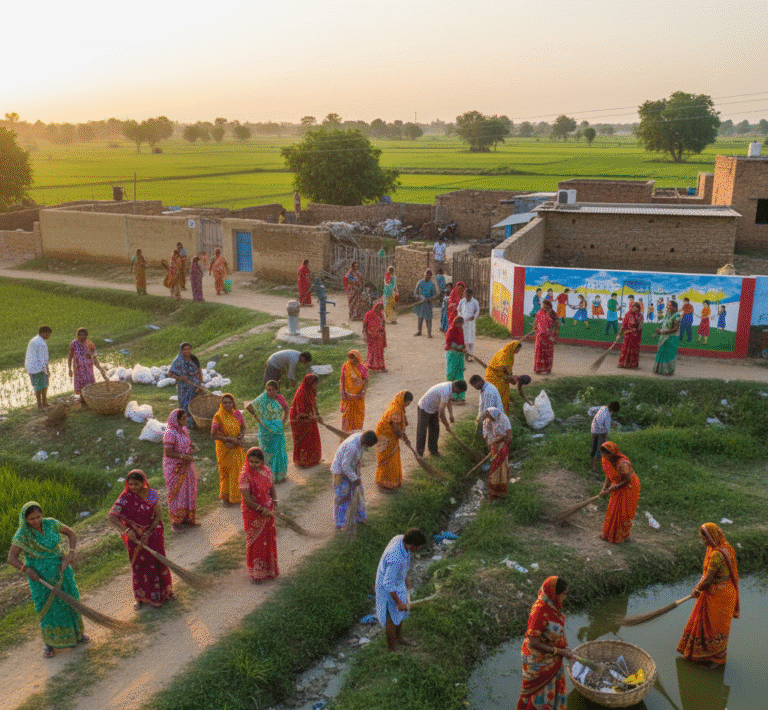
In many Indian villages, mornings begin with the familiar sounds of roosters, temple bells, and neighbours greeting each other across narrow lanes. Yet, behind this calm lies a persistent challenge — scattered waste, clogged drains, unhygienic corners, and patches of neglect that slowly weaken the environment and the health of the entire community.
But something extraordinary happens when villagers come together with one shared purpose: to clean, uplift, and beautify their surroundings. A cleanliness drive in a village is far more than a simple activity; it becomes a symbol of unity, collective strength, and social transformation. It strengthens the invisible threads that hold communities together.
Across India, organisations like Flybird Foundation have witnessed a beautiful truth: when villagers clean their surroundings together, they also clean old misunderstandings, bridge gaps, and rebuild trust. A broom becomes a tool of cooperation. A bucket of water becomes a sign of solidarity. A clean street becomes a pathway toward healthier, happier futures.
Village cleanliness drives do not just reshape the landscape; they reshape the community.
A clean village is not just aesthetically pleasing; it is healthier, safer, and more dignified for every resident. Hygiene plays a direct role in protecting families from diseases that commonly affect rural communities.
Cleanliness contributes to:
Reduced infections: Cleaner surroundings minimise mosquito breeding, contaminated water, and waste-related diseases.
Better sanitation: Clear drains ensure smoother water flow and prevent waterlogging.
Improved quality of life: Clean streets make children feel safer and elders feel more comfortable moving outdoors.
Cleaner water sources: Protecting wells and hand pumps from waste contamination is vital for rural households.
In villages where cleanliness is prioritized, health issues drop, productivity rises, and quality of life improves dramatically.
A village cleanliness drive is a coordinated effort where residents come together to clean streets, remove waste, clear drains, segregate garbage, plant trees, and spread awareness about hygiene.
Typical activities include:
Sweeping public pathways and common areas
Clearing garbage from roadsides and open spaces
Cleaning water tanks, hand pumps, and surrounding areas
Planting saplings to beautify local surroundings
Conducting door-to-door awareness campaigns
Encouraging households to segregate dry and wet waste
Teaching children about personal and community hygiene
These drives require teamwork, cooperation, and a willingness to take responsibility for shared spaces. They unlock a powerful change: people realise that a clean village is not the duty of one person but the collective duty of all.
One of the most beautiful outcomes of a cleanliness drive is the way it unites people. Villagers who might rarely interact suddenly find themselves sweeping the same street, fixing the same corner, or decorating the same wall.
Cleanliness drives help communities:
Rebuild neighborly relationships
Resolve long-standing misunderstandings
Create a shared sense of pride and achievement
Participate in a common goal that benefits everyone
Strengthen social trust and teamwork
When everyone, children, elders, men, and women work together, it reinforces a powerful message: the village belongs to everyone, and everyone must contribute to its well-being.
Women are often the silent anchors of cleanliness movements. Their involvement brings structure, dedication, and heart into the initiative.
Women contribute by:
Leading awareness groups within the village
Organizing cleanliness schedules
Teaching children about hygiene
Ensuring waste segregation at home
Mobilising other women for participation
Supporting Flybird Foundation awareness campaigns
Women’s participation amplifies the movement, especially because they understand how cleanliness directly affects children’s health, family well-being, and household pride.
Young villagers are the energy source of cleanliness drives. Their enthusiasm brings speed, motivation, and innovation into the effort.
Youth involvement includes:
Conducting door-to-door awareness
Cleaning public grounds and bus stops
Helping elderly villagers in waste removal
Painting walls with cleanliness messages
Running social media campaigns
Leading by example and inspiring behavioral change
When local youth take responsibility, the drive gains momentum and becomes more attractive for the entire village.
Cleanliness and public health are inseparable. A single cleanliness drive may seem small, but its impact on health can be monumental.
Public health benefits include:
Fewer mosquitoes, flies, and pests
Cleaner drinking water sources
Reduction in diarrhoea, fever, and water-borne diseases
Safer play areas for children
Better sanitation facilities
Improvement in overall immunity and well-being
Health is not only the absence of disease it is the presence of a clean, dignified environment. Cleanliness drives contribute directly to this transformation.
A clean village protects not only people but also nature.
Key environmental benefits:
Reduced soil pollution
Better waste management systems
Cleaner air
Less plastic burning
Increased green cover through tree planting
Revival of local flora and fauna
When a community works together to keep the environment clean, nature responds with healthier soil, better air, and more balance.
Cleanliness drives are powerful, but they come with their own set of challenges.
Common issues include:
Lack of proper waste bins
No structured waste collection system
Limited awareness
Unavailability of cleaning tools
Social hesitation or lack of unity
Irregular participation
Solutions often include:
Awareness sessions encouraging consistent participation
Low-cost waste collection methods
Building simple community dustbins
Involving local leaders
Regular meetings to discuss cleanliness issues
Resource support from organizations like Flybird Foundation
Challenges exist, but they can be overcome with guidance, teamwork, and commitment.
Cleanliness improves when everyone is involved. Collective participation creates shared responsibility and ensures cleanliness is not just a one-day effort but a continuous practice.
Successful drives involve:
Panchayat leadership
Active local volunteers
School participation
Women’s groups
Youth clubs
Farmers
Shopkeepers
When community members participate equally, a village achieves a deeper, more lasting transformation.
Flybird Foundation plays a vital role in supporting villages striving for cleanliness and better health.
The foundation’s contributions include:
Awareness campaigns on hygiene and sanitation
Clean-up programs for streets, drains, and public spaces
Workshops on waste segregation and composting
Providing gloves, masks, brooms, and cleaning tools
Engaging school children in sanitation projects
Involving villagers in planning and decision-making
Regular follow-up drives to maintain progress
Flybird Foundation believes that true cleanliness begins with awareness and grows through community participation.
Cleaning together heals more than the surroundings — it heals the community.
Emotional benefits include:
Stronger neighborly ties
Reduced conflicts
Shared pride in community achievements
A sense of belonging and togetherness
Increased cooperation during festivals and events
Clean villages experience a positive emotional shift: people become more willing to help one another, more invested in their environment, and more connected through shared responsibility.
Clean surroundings directly impact children’s learning and behavior.
Benefits for children:
Cleaner school areas improve attendance
Students learn essential hygiene habits
School gardens become practical learning spaces
Children take cleanliness lessons back home
High awareness creates healthier future generations
Schools that participate in cleanliness programs often see improved student confidence and discipline.
A clean village becomes a welcoming village — and that can attract visitors.
Cleanliness can lead to:
More tourism opportunities
Promotion of local crafts and foods
Increased cultural activities
Greater respect for the village’s identity
Stronger village pride
When travelers visit a clean village, they carry the story forward. Cleanliness enhances reputation, improves local income, and strengthens cultural significance.
A clean village is not built in a day; it is maintained every day.
Ways to sustain cleanliness include:
Weekly community cleaning
Proper waste segregation
Installing local dustbins
Regular awareness meetings
Involving school students
Encouraging household-level composting
Monitoring public spaces through community groups
Sustainability turns a cleanliness drive into a lifelong practice.
Cleanliness drives do far more than improve hygiene; they rebuild unity, strengthen relationships, and nurture pride within the community. A clean village reflects a shared commitment to health, dignity, and progress. It is a powerful example of what people can achieve when they work together.
With its ongoing efforts, Flybird Foundation continues to inspire villages to think collectively, act responsibly, and build cleaner, healthier futures. Every broom lifted, every drain cleaned, every sapling planted is a step toward harmony, cooperation, and lasting transformation.
A clean village is not just a place — it is a feeling.
A feeling of belonging.
A feeling of community.
A feeling of moving forward, hand in hand.

Together, we spread hope, inspire change, and shape brighter futures.
Flybird Foundation © All Rights Reserved.